
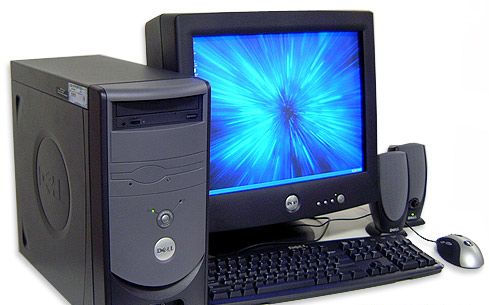
The Evolution of Computers in the 2000s
The 2000s marked a significant period of advancement and innovation in the world of computers. As technology continued to rapidly evolve, computers became more powerful, compact, and accessible to a wider range of users.
One of the key developments during this decade was the rise of laptops and notebooks. These portable computers revolutionized the way people worked and communicated, allowing them to take their computing power on the go. Companies like Apple, Dell, and HP introduced sleek and powerful laptop models that quickly gained popularity among professionals and students alike.
Another major trend in the 2000s was the increasing emphasis on multimedia capabilities in computers. With faster processors and improved graphics cards, users could now enjoy high-quality video streaming, gaming, and multimedia editing on their desktops and laptops.
The emergence of social media platforms like Facebook and Twitter also had a profound impact on computer usage in the 2000s. People spent more time online connecting with friends, sharing photos and videos, and consuming digital content, further highlighting the importance of computers in everyday life.
Additionally, advancements in storage technology led to the widespread adoption of USB flash drives and external hard drives for data backup and transfer. Cloud computing also began to gain traction, offering users a convenient way to store files remotely and access them from any device with an internet connection.
In conclusion, the 2000s were a transformative decade for computers, paving the way for many of the technological innovations we now take for granted. From portable laptops to social media integration, this period laid the foundation for modern computing as we know it today.
Essential Computer Tips for the 2000s: Boost Security, Performance, and Maintenance
- Regularly update your operating system and software for security patches.
- Backup your important files to an external drive or cloud storage regularly.
- Use strong and unique passwords for all your accounts to enhance security.
- Be cautious of phishing emails and only download attachments from trusted sources.
- Install antivirus software to protect your computer from malware and viruses.
- Avoid visiting suspicious websites that may contain harmful content or malware.
- Clean your computer’s hardware components, such as the keyboard and mouse, regularly.
- Optimize your computer’s performance by removing unnecessary programs and files.
- Consider upgrading your hardware components, such as RAM or hard drive, for better performance.
Regularly update your operating system and software for security patches.
To ensure the security of your computer in the 2000s, it is crucial to regularly update your operating system and software with the latest security patches. These updates help protect your system from vulnerabilities that could be exploited by cyber threats, ensuring that your data and personal information remain safe and secure. By staying proactive and keeping your software up to date, you can minimize the risk of potential security breaches and maintain a more secure computing environment.
Backup your important files to an external drive or cloud storage regularly.
In the dynamic landscape of computing during the 2000s, one crucial tip that emerged was the importance of regularly backing up important files to an external drive or cloud storage. This practice became increasingly vital as computers evolved to store larger amounts of data and as users relied more on digital information for work, communication, and entertainment. By backing up files consistently, users could safeguard their valuable data against potential hardware failures, viruses, or accidental deletions. This simple yet essential habit not only provided peace of mind but also ensured that critical information remained secure and accessible in the ever-changing world of technology.
Use strong and unique passwords for all your accounts to enhance security.
In the context of computers in the 2000s, it is crucial to emphasize the importance of using strong and unique passwords for all your accounts to enhance security. With the increasing reliance on digital platforms and online services during this era, protecting your personal information and data became more critical than ever. By creating complex passwords that combine letters, numbers, and special characters, you can significantly reduce the risk of unauthorized access to your accounts. Additionally, using unique passwords for each account adds an extra layer of security, as it prevents a single security breach from compromising multiple accounts. Prioritizing password strength and uniqueness is a simple yet effective way to safeguard your online presence in the evolving landscape of computer technology.
Be cautious of phishing emails and only download attachments from trusted sources.
In the era of computers in the 2000s, it is crucial to exercise caution when dealing with online threats such as phishing emails. To protect your personal information and computer security, it is essential to be wary of suspicious emails and only download attachments from trusted sources. Phishing emails often disguise themselves as legitimate messages to trick users into revealing sensitive information or downloading malicious software. By staying vigilant and verifying the authenticity of email senders before opening attachments, you can safeguard yourself against potential cyber threats and ensure a safer computing experience in the digital age.
Install antivirus software to protect your computer from malware and viruses.
To safeguard your computer from potential threats such as malware and viruses in the 2000s, it is crucial to install reliable antivirus software. By having an effective antivirus program running on your system, you can proactively detect and eliminate harmful software that may compromise your data security and overall computer performance. Regularly updating your antivirus software ensures that your computer remains protected against the latest cyber threats prevalent during this era of rapid technological advancement.
Avoid visiting suspicious websites that may contain harmful content or malware.
In the rapidly evolving landscape of computers in the 2000s, it is crucial to exercise caution and vigilance when browsing the internet. One important tip to keep in mind is to avoid visiting suspicious websites that may harbor harmful content or malware. By steering clear of such sites, users can mitigate the risk of falling victim to cyber threats like viruses, phishing scams, and identity theft. Practicing safe browsing habits is essential in safeguarding both personal data and the overall security of one’s computer system in this digital age.
Clean your computer’s hardware components, such as the keyboard and mouse, regularly.
It is essential to clean your computer’s hardware components, such as the keyboard and mouse, regularly in order to maintain optimal performance and hygiene. Dust, dirt, and grime can accumulate over time, leading to decreased responsiveness and potential malfunctions. By regularly cleaning these components with a soft, dry cloth or compressed air, you can ensure that your computer operates smoothly and prolong its lifespan. Additionally, maintaining clean hardware promotes a healthier work environment by reducing the spread of germs and bacteria.
Optimize your computer’s performance by removing unnecessary programs and files.
To optimize your computer’s performance in the 2000s, it is essential to regularly remove unnecessary programs and files. By decluttering your system and freeing up storage space, you can improve overall speed and efficiency. Uninstalling unused applications and deleting old files not only enhances performance but also helps prevent system slowdowns and crashes. This simple maintenance tip can make a significant difference in ensuring that your computer operates smoothly and effectively during this era of rapid technological advancements.
Consider upgrading your hardware components, such as RAM or hard drive, for better performance.
To optimize the performance of your computer in the 2000s, it is advisable to consider upgrading key hardware components like RAM or the hard drive. By increasing your RAM capacity, you can enhance multitasking capabilities and speed up data processing. Similarly, upgrading to a faster or higher-capacity hard drive can improve overall system responsiveness and storage efficiency. These hardware upgrades can significantly boost your computer’s performance and ensure a smoother and more efficient computing experience during this era of technological advancement.