
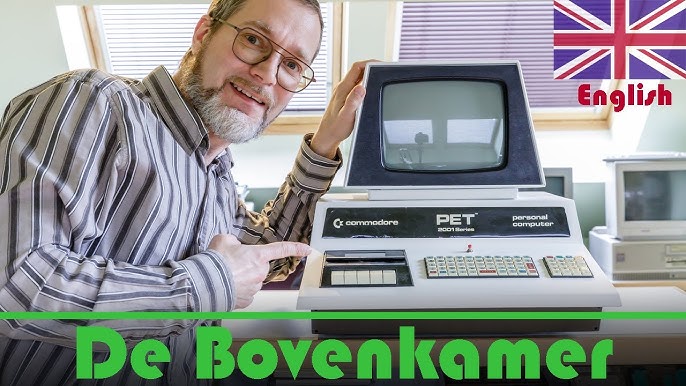
The PET 2001: A Landmark in Computer History
The PET 2001, released by Commodore International in 1977, is a significant milestone in the history of personal computing. It was one of the first all-in-one personal computers to hit the market, featuring a built-in monitor, keyboard, and cassette tape drive.
Designed by Chuck Peddle and Bill Seiler, the PET (Personal Electronic Transactor) 2001 was aimed at the consumer and educational markets. Its integrated design made it a popular choice for schools and businesses looking for an affordable computer solution.
The PET 2001 featured a MOS Technology 6502 microprocessor running at 1 MHz and came with either 4KB or 8KB of memory. Its monochrome monitor displayed text in a green hue, and users could store programs and data on cassette tapes.
Despite its limited capabilities compared to modern computers, the PET 2001 played a crucial role in popularizing personal computing. Its success paved the way for future models like the Commodore VIC-20 and Commodore 64.
Today, the PET 2001 is remembered as an iconic piece of computer history that helped bring computing into homes and classrooms around the world. Its legacy lives on in the evolution of technology and the impact it had on shaping our digital world.
7 Common Questions About the Commodore PET 2001: History, Specs, and Differences
- What does PET stand for in Commodore pet?
- How much memory did a Commodore pet have?
- When did the Commodore PET 2001 come out?
- Was the Commodore PET successful?
- What resolution is the Commodore pet?
- How much did the Commodore PET cost?
- What is the difference between PET 2001 and 4032?
What does PET stand for in Commodore pet?
The acronym “PET” in Commodore PET stands for “Personal Electronic Transactor.” The name reflects the intended purpose of the computer as a personal device for electronic transactions and interactions. The PET 2001 was one of the pioneering models in the personal computing industry, offering users an all-in-one solution for various computing tasks, including programming, data storage, and educational applications. The significance of the PET name underscores Commodore’s vision to make computing more accessible and user-friendly for individuals and businesses alike.
How much memory did a Commodore pet have?
The Commodore PET 2001 typically came with either 4KB or 8KB of memory, depending on the specific model and configuration. The memory capacity of the PET was considered adequate for running basic programs and storing data, making it a versatile choice for both educational and personal computing purposes. Despite its modest memory capacity by today’s standards, the PET 2001 played a crucial role in the early days of personal computing and left a lasting impact on the evolution of technology.
When did the Commodore PET 2001 come out?
The Commodore PET 2001 was released by Commodore International in 1977, marking a significant moment in the history of personal computing. This all-in-one personal computer, designed by Chuck Peddle and Bill Seiler, featured an integrated monitor, keyboard, and cassette tape drive. Its launch in 1977 made it one of the pioneering computers of its time, catering to both consumer and educational markets with its innovative design and functionality.
Was the Commodore PET successful?
The success of the Commodore PET is a topic that often sparks debate among computer historians and enthusiasts. While the PET 2001 was not as commercially successful as later models like the Commodore 64, it played a crucial role in popularizing personal computing. The PET’s integrated design and affordability made it a popular choice for schools and businesses, helping to establish Commodore as a key player in the emerging computer industry. Despite its limitations, the PET’s impact on the market and its contribution to shaping the future of computing cannot be overlooked, solidifying its place in computer history as a pioneering and influential machine.
What resolution is the Commodore pet?
The Commodore PET 2001 featured a monochrome monitor with a resolution of 40 columns by 25 rows, providing a basic display for text-based applications and programming. While its resolution may seem limited by today’s standards, the PET 2001’s screen layout was sufficient for the era and the tasks it was designed to handle. The simplicity of its display contributed to the PET 2001’s affordability and accessibility, making it a popular choice for both educational and business purposes.
How much did the Commodore PET cost?
The original price of the Commodore PET 2001 varied depending on the configuration and specifications chosen by the buyer. When it was first released in 1977, the base model with 4KB of memory was priced at around $795, while the upgraded version with 8KB of memory cost approximately $995. These prices made the PET 2001 an attractive option for consumers and educational institutions looking for an affordable yet capable personal computer. Over time, as technology advanced and newer models were introduced, the price of the PET 2001 fluctuated, reflecting changes in market demand and production costs.
What is the difference between PET 2001 and 4032?
One common question regarding the PET 2001 and 4032 models is about their differences. The PET 2001 was the original model released by Commodore in 1977, featuring a built-in monochrome monitor, keyboard, and cassette tape drive. It came with either 4KB or 8KB of memory and was aimed at consumers and educational markets. In contrast, the PET 4032, introduced later as an upgraded version, had a larger 12-inch monitor and increased memory capacity of up to 32KB. The PET 4032 also featured improved graphics capabilities and a more advanced keyboard layout, making it a more powerful option for users requiring higher performance.