
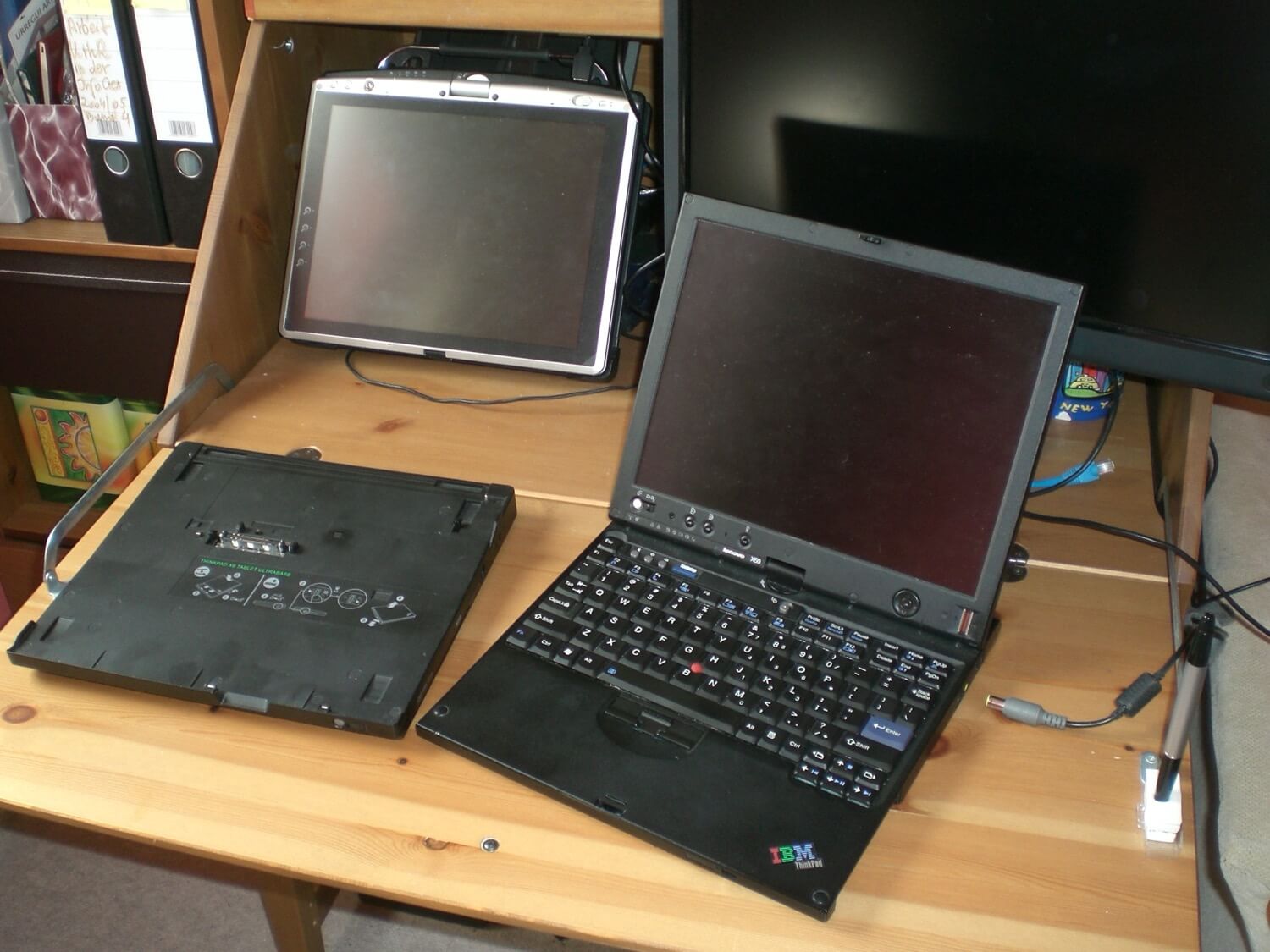
Computers in the Early 2000s
In the early 2000s, computers underwent significant advancements and changes that laid the foundation for the modern digital era we live in today. During this time, personal computers became more affordable, powerful, and accessible to a wider range of users.
One of the notable trends in the early 2000s was the rise of laptops and notebooks as popular alternatives to traditional desktop computers. These portable devices offered users greater flexibility and mobility, allowing them to work or connect to the internet from anywhere.
Another key development was the increasing integration of multimedia features into computers. This era saw the widespread adoption of CD and DVD drives, as well as improved graphics capabilities that enabled users to enjoy high-quality video and gaming experiences.
The early 2000s also marked a shift towards more user-friendly interfaces and operating systems. Microsoft Windows XP, released in 2001, became one of the most popular operating systems of its time, offering a more stable and visually appealing experience for users.
Additionally, advancements in hardware technology led to faster processors, increased memory capacity, and larger storage options. This allowed users to run more demanding software applications and store larger amounts of data on their computers.
Overall, computers in the early 2000s played a crucial role in shaping how we use technology today. The innovations and improvements made during this period set the stage for further developments in computing that continue to impact our lives in profound ways.
Top 8 Advantages of Early 2000s Computers: Affordability, Portability, and Technological Advancements
- 1. Increased affordability of personal computers, making them more accessible to a wider range of users.
- 2. Rise of laptops and notebooks for greater portability and mobility.
- 3. Integration of multimedia features like CD and DVD drives for enhanced entertainment options.
- 4. Improved graphics capabilities for high-quality video and gaming experiences.
- 5. Adoption of more user-friendly interfaces and operating systems like Windows XP.
- 6. Advancements in hardware technology with faster processors, increased memory capacity, and larger storage options.
- 7. Expansion of internet connectivity options, leading to increased access to online resources and communication tools.
- 8. Development of innovative software applications that improved productivity and creativity for users.
Challenges of Early 2000s Computers: Performance, Storage, Connectivity, Efficiency, and Security
- 1. Limited processing power compared to modern standards, resulting in slower performance for demanding tasks.
- 2. Relatively small storage capacities, making it challenging to store large amounts of data and media files.
- 3. Limited connectivity options, such as slower internet speeds and fewer USB ports compared to contemporary computers.
- 4. Less energy-efficient designs leading to higher electricity consumption and heat generation.
- 5. Vulnerability to malware and security threats due to less sophisticated antivirus software and weaker built-in security features.
1. Increased affordability of personal computers, making them more accessible to a wider range of users.
During the early 2000s, one significant advantage of computers was their increased affordability, which made them more accessible to a wider range of users. As prices for personal computers decreased, more people were able to purchase and own their own devices, leading to greater adoption of technology in homes, schools, and workplaces. This increased accessibility opened up new opportunities for individuals to engage with digital tools and resources, ultimately contributing to a more connected and technologically literate society.
2. Rise of laptops and notebooks for greater portability and mobility.
During the early 2000s, one significant advantage of computers was the rise of laptops and notebooks, offering users greater portability and mobility. This shift allowed individuals to work, connect to the internet, and engage in various tasks from virtually anywhere, breaking free from the constraints of traditional desktop setups. The convenience of having a compact and lightweight device that could be easily carried around revolutionized how people approached computing, making it more flexible and adaptable to their on-the-go lifestyles.
3. Integration of multimedia features like CD and DVD drives for enhanced entertainment options.
During the early 2000s, one significant advantage of computers was the integration of multimedia features such as CD and DVD drives. This technological advancement revolutionized entertainment options for users, allowing them to easily watch movies, listen to music, and install software directly from discs. The ability to access and enjoy a wide range of multimedia content on their computers enhanced the overall user experience and opened up new possibilities for entertainment and productivity.
4. Improved graphics capabilities for high-quality video and gaming experiences.
During the early 2000s, one significant advantage of computers was the improvement in graphics capabilities, which allowed for high-quality video playback and enhanced gaming experiences. This technological advancement enabled users to enjoy visually stunning graphics and immersive gameplay, setting the stage for the development of more sophisticated and engaging multimedia content on computers. The increased graphical performance during this era not only enhanced entertainment options but also paved the way for advancements in graphic design, animation, and visual storytelling across various industries.
5. Adoption of more user-friendly interfaces and operating systems like Windows XP.
One significant advantage of computers in the early 2000s was the adoption of more user-friendly interfaces and operating systems, such as Windows XP. This shift towards intuitive and visually appealing interfaces made computing more accessible to a wider range of users. Windows XP, in particular, offered a more stable and streamlined experience, making tasks like navigating files, installing software, and connecting to the internet much easier for both novice and experienced users alike. The user-friendly nature of interfaces like Windows XP played a key role in shaping how people interacted with computers during this era, paving the way for increased digital literacy and widespread adoption of technology in various aspects of daily life.
6. Advancements in hardware technology with faster processors, increased memory capacity, and larger storage options.
During the early 2000s, one significant advantage of computers was the rapid advancements in hardware technology. This era saw the introduction of faster processors, increased memory capacity, and larger storage options, which revolutionized the computing experience. With more powerful hardware components, users were able to run complex software applications with greater efficiency and speed. The enhanced memory capacity and larger storage options allowed users to store more data and multimedia content on their computers, making it easier to work on projects and access information quickly. These hardware advancements laid the groundwork for the development of modern computing devices and set the stage for further technological innovations in the years to come.
7. Expansion of internet connectivity options, leading to increased access to online resources and communication tools.
During the early 2000s, one significant pro of computers was the expansion of internet connectivity options. This development led to increased access to online resources and communication tools for users around the world. With the growing availability of broadband internet and wireless connections, people were able to explore a wealth of information, connect with others through email and instant messaging, and engage in online activities such as shopping, research, and entertainment more easily than ever before. The improved internet connectivity options during this time greatly enhanced the overall user experience and paved the way for the digital age we are familiar with today.
8. Development of innovative software applications that improved productivity and creativity for users.
During the early 2000s, one significant advantage of computers was the development of innovative software applications that greatly enhanced productivity and creativity for users. This era saw the introduction of a wide range of software tools designed to streamline tasks, facilitate communication, and unleash creative potential. From office productivity suites like Microsoft Office to graphic design programs such as Adobe Photoshop, users had access to powerful tools that revolutionized how they worked and created content. These software applications not only boosted efficiency in various industries but also empowered individuals to express their ideas and talents in new and exciting ways, contributing to a more dynamic and productive digital landscape.
1. Limited processing power compared to modern standards, resulting in slower performance for demanding tasks.
During the early 2000s, one significant con of computers was their limited processing power when compared to modern standards. This limitation often resulted in slower performance, especially when handling demanding tasks such as running complex software applications or multitasking. Users frequently experienced delays and lagging, which could be frustrating and hinder productivity. The slower processing speeds of computers during this time period highlighted the need for continuous advancements in technology to keep up with evolving user demands and expectations.
2. Relatively small storage capacities, making it challenging to store large amounts of data and media files.
During the early 2000s, one significant drawback of computers was their relatively small storage capacities. This limitation made it challenging for users to store large amounts of data and media files, such as photos, videos, and music. As digital content became more prevalent, users often found themselves running out of storage space quickly, leading to the need for external storage solutions or frequent file management to free up space on their devices. The constraint on storage capacity in computers during this time posed a practical challenge for users who wanted to keep a significant amount of data readily accessible on their machines.
3. Limited connectivity options, such as slower internet speeds and fewer USB ports compared to contemporary computers.
During the early 2000s, one significant drawback of computers was their limited connectivity options. Users often faced challenges with slower internet speeds and fewer USB ports compared to contemporary computers. The slower internet speeds made browsing the web and downloading files a time-consuming process, while the scarcity of USB ports restricted the ability to connect multiple devices simultaneously. These limitations hindered users’ ability to fully leverage the potential of their computers for tasks requiring fast data transfer and seamless connectivity.
4. Less energy-efficient designs leading to higher electricity consumption and heat generation.
During the early 2000s, one significant drawback of computers was their less energy-efficient designs, which resulted in higher electricity consumption and heat generation. As computers became more powerful and capable of handling complex tasks, they required more energy to operate efficiently. This increased energy consumption not only led to higher electricity bills for users but also contributed to environmental concerns due to the greater demand for power generation. Additionally, the heat generated by less energy-efficient computers posed challenges in terms of cooling systems and overall system stability, impacting both user comfort and hardware longevity.
5. Vulnerability to malware and security threats due to less sophisticated antivirus software and weaker built-in security features.
During the early 2000s, one significant con of computers was their vulnerability to malware and security threats. This was primarily due to the less sophisticated antivirus software available at the time and weaker built-in security features in operating systems. Users often found themselves at risk of viruses, worms, and other malicious software that could compromise their data and privacy. The lack of robust security measures made it challenging for individuals and organizations to protect their systems effectively, leading to frequent incidents of cyberattacks and data breaches during this period.