
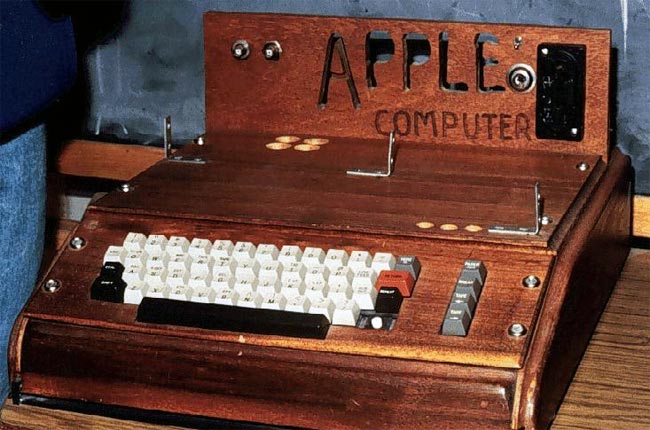
The First Apple Computer: A Revolutionary Beginning
Apple Inc., one of the most iconic technology companies in the world, had humble beginnings with its first computer.
In 1976, Steve Wozniak and Steve Jobs introduced the Apple I, a single-board computer kit that was a breakthrough in the nascent personal computer industry. The Apple I was designed and hand-built by Wozniak in Jobs’ garage. It featured a microprocessor, memory, and a video interface, making it one of the first ready-to-use personal computers available to the public.
With a retail price of $666.66, the Apple I was a commercial success, selling over 200 units. Its popularity laid the foundation for Apple’s future as an innovative technology company.
While the Apple I was limited in functionality compared to modern computers, it represented a significant step forward in making computing accessible to individuals outside of large corporations or research institutions. Its impact on the industry cannot be overstated.
Today, the legacy of the first Apple computer lives on in every iPhone, iPad, and Macbook produced by Apple. The spirit of innovation and user-friendly design that characterized the Apple I continues to define the company’s products.
The first Apple computer may have been modest by today’s standards, but its influence on technology and society is immeasurable.
8 Fascinating Facts About the First Apple Computer: The Apple I
- The first Apple computer was called the Apple I.
- It was designed and hand-built by Steve Wozniak in 1976.
- The Apple I did not have a keyboard, monitor, or case like modern computers.
- Users had to supply their own peripherals to use the Apple I.
- It was sold as a motherboard with CPU, RAM, and basic textual-video chips.
- The Apple I had a price tag of $666.66 when it was first released.
- Around 200 units of the Apple I were produced.
- Today, an original working Apple I can fetch hundreds of thousands of dollars at auction.
The first Apple computer was called the Apple I.
The first Apple computer, known as the Apple I, marked a pivotal moment in the history of computing. Designed by Steve Wozniak and Steve Jobs in 1976, the Apple I was a revolutionary single-board computer kit that laid the foundation for Apple’s future success and innovation in the technology industry.
It was designed and hand-built by Steve Wozniak in 1976.
In 1976, the first Apple computer was meticulously crafted by the brilliant engineer and co-founder of Apple, Steve Wozniak. With a keen eye for detail and a passion for innovation, Wozniak poured his expertise and creativity into designing and hand-building this groundbreaking device. His dedication to creating a user-friendly and accessible personal computer laid the foundation for Apple’s future success and solidified his reputation as a pioneer in the tech industry.
The Apple I did not have a keyboard, monitor, or case like modern computers.
The Apple I, the first computer developed by Apple Inc., was a pioneering device that lacked common features found in modern computers. Unlike contemporary machines, the Apple I did not come equipped with a keyboard, monitor, or protective case. Despite these limitations, the Apple I represented a significant leap forward in making computing accessible to individuals outside of traditional institutional settings. Its simplicity and raw functionality laid the groundwork for the technological advancements that would follow in the years to come.
Users had to supply their own peripherals to use the Apple I.
To use the Apple I, users had to provide their own peripherals, such as a keyboard, monitor, and power supply. This DIY approach was common in the early days of personal computing when computers were sold as kits rather than fully integrated systems. By requiring users to source their own peripherals, the Apple I fostered a culture of customization and experimentation among early adopters, setting the stage for the user-centric design philosophy that would later define Apple’s products.
It was sold as a motherboard with CPU, RAM, and basic textual-video chips.
The first Apple computer, known as the Apple I, was marketed and sold as a motherboard that included essential components such as the CPU, RAM, and basic textual-video chips. This innovative approach allowed users to assemble their own fully functional computer by adding necessary peripherals like a keyboard and monitor. The simplicity and accessibility of the Apple I’s design played a crucial role in democratizing personal computing and laid the groundwork for Apple’s future success in revolutionizing the technology industry.
The Apple I had a price tag of $666.66 when it was first released.
The Apple I made waves in the technology world with its price tag of $666.66 upon its initial release. This seemingly unconventional price point was a nod to the unique and innovative nature of the first Apple computer. Despite its relatively high cost at the time, the Apple I’s impact on the personal computing industry was undeniable, paving the way for Apple’s future success and shaping the trajectory of modern technology.
Around 200 units of the Apple I were produced.
Approximately 200 units of the Apple I, the first computer developed by Steve Wozniak and Steve Jobs, were produced. This limited production run contributed to the rarity and historical significance of the Apple I, making it a sought-after collector’s item among technology enthusiasts and historians alike. The small number of units manufactured underscores the pioneering nature of the Apple I and its role in shaping the future of personal computing.
Today, an original working Apple I can fetch hundreds of thousands of dollars at auction.
Today, an original working Apple I holds significant historical and collector’s value, often fetching hundreds of thousands of dollars at auction. As a rare piece of technology history, the Apple I symbolizes the pioneering spirit of innovation that laid the groundwork for Apple’s success. Its scarcity and desirability among tech enthusiasts and collectors contribute to its high auction prices, highlighting the enduring legacy and impact of the first Apple computer on the evolution of personal computing.