
10 Negative Effects of Technology on Health
Technology has undoubtedly transformed the way we live and work, but it also comes with its own set of negative effects on health. Here are 10 ways in which technology can impact our well-being:
- Eye Strain: Prolonged screen time can lead to eye strain, dry eyes, and blurred vision.
- Neck and Back Pain: Poor posture while using devices like smartphones and laptops can cause neck and back pain.
- Sleep Disturbances: Exposure to screens before bedtime can disrupt sleep patterns and lead to insomnia.
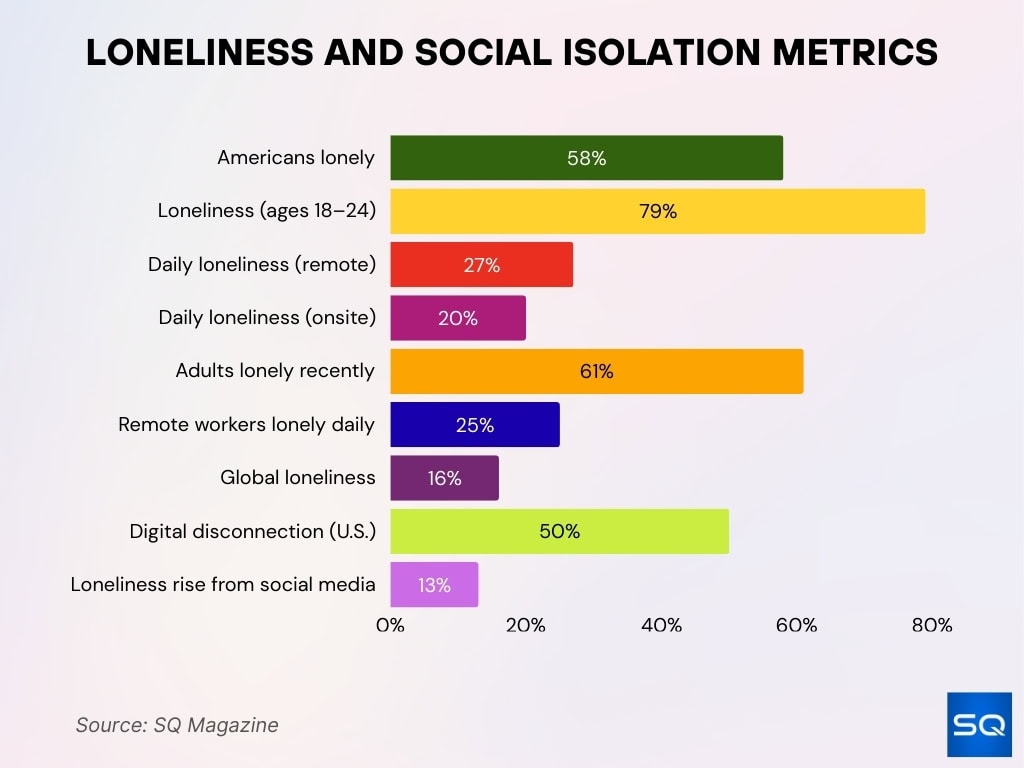
- Mental Health Issues: Excessive use of social media and online activities can contribute to anxiety, depression, and feelings of isolation.
- Obesity: Sedentary behaviors associated with technology use, such as sitting for long periods, can contribute to weight gain and obesity.
- Hearing Loss: Regular use of headphones at high volumes can damage hearing over time.
- Radiation Exposure: Prolonged exposure to electromagnetic radiation from devices like cell phones may have long-term health implications.
- Addiction: Technology addiction, including excessive gaming or internet use, can lead to neglect of real-life responsibilities and relationships.
- Carpal Tunnel Syndrome: Repetitive movements while using keyboards or mice can result in carpal tunnel syndrome and other repetitive strain injuries.
- Digital Eye Fatigue: Blue light emitted by screens can cause digital eye fatigue, headaches, and difficulty focusing.
While technology offers many benefits, it is important to be mindful of its potential negative effects on our health. By practicing moderation, taking breaks from screens, and maintaining good ergonomic habits, we can mitigate some of these risks and promote overall well-being in the digital age.
7 Tips to Combat the Negative Health Effects of Technology
- Limit screen time to reduce eye strain and digital eye fatigue.
- Take breaks from technology to prevent neck and back pain caused by poor posture.
- Use blue light filters on screens to minimize disruption of sleep patterns.
- Avoid using devices before bedtime to improve quality of sleep.
- Practice good ergonomics when using technology to prevent wrist and hand strain.
- Be mindful of repetitive strain injuries from excessive typing or swiping on devices.
- Stay physically active and limit sedentary behavior associated with prolonged technology use.
Limit screen time to reduce eye strain and digital eye fatigue.
Limiting screen time is a crucial step in reducing the risk of eye strain and digital eye fatigue caused by prolonged exposure to screens. By taking regular breaks, adjusting screen brightness, and practicing the 20-20-20 rule (looking at something 20 feet away for 20 seconds every 20 minutes), individuals can help alleviate the strain on their eyes and prevent discomfort. Prioritizing eye health by limiting screen time not only reduces the immediate effects of digital eye fatigue but also promotes long-term vision wellness in an increasingly digital world.
Take breaks from technology to prevent neck and back pain caused by poor posture.
Taking breaks from technology is crucial to prevent neck and back pain caused by poor posture. Prolonged use of devices like smartphones and laptops can lead to strain on the neck and back muscles, resulting in discomfort and potential long-term issues. By incorporating regular breaks into our screen time routine, we can give our bodies a chance to rest, stretch, and realign, reducing the risk of developing posture-related pain and promoting better overall health.
Use blue light filters on screens to minimize disruption of sleep patterns.
Using blue light filters on screens is a practical tip to minimize the disruption of sleep patterns caused by technology. Blue light emitted by screens can interfere with the production of melatonin, the hormone that regulates sleep-wake cycles. By applying blue light filters or using apps that reduce blue light exposure, especially in the evening hours, we can help our bodies prepare for restful sleep and maintain healthier sleep patterns. This simple adjustment can make a significant difference in promoting better sleep quality and overall well-being in our technology-driven world.
Avoid using devices before bedtime to improve quality of sleep.
Avoid using devices before bedtime to improve the quality of sleep. The blue light emitted by screens can disrupt the body’s natural sleep-wake cycle, making it harder to fall asleep and reducing the overall quality of rest. By establishing a technology-free wind-down routine before bed, such as reading a book or practicing relaxation techniques, you can promote better sleep hygiene and ensure a more restful night’s rest. Prioritizing screen-free time before bedtime is essential for maintaining optimal sleep health and overall well-being.
Practice good ergonomics when using technology to prevent wrist and hand strain.
Practicing good ergonomics when using technology is crucial to prevent wrist and hand strain. Maintaining proper wrist alignment, using ergonomic keyboards and mice, and taking regular breaks to stretch can help reduce the risk of developing conditions like carpal tunnel syndrome. By prioritizing ergonomic practices, individuals can minimize the negative impact that technology use may have on their wrist and hand health, promoting overall well-being while staying connected in the digital world.
Be mindful of repetitive strain injuries from excessive typing or swiping on devices.
It is crucial to be mindful of the risk of repetitive strain injuries that can result from excessive typing or swiping on devices. Prolonged and repetitive movements, especially with poor ergonomics, can lead to conditions like carpal tunnel syndrome and other musculoskeletal issues. To prevent such injuries, it is important to take regular breaks, maintain proper posture, and consider using ergonomic tools or accessories that can reduce strain on the hands and wrists. By being aware of these risks and taking proactive measures to protect our physical health, we can continue to enjoy the benefits of technology without compromising our well-being.
Stay physically active and limit sedentary behavior associated with prolonged technology use.
It is crucial to stay physically active and limit sedentary behavior associated with prolonged technology use in order to mitigate the negative effects on health. Engaging in regular physical activity not only helps counteract the sedentary nature of using technology but also promotes overall well-being. By incorporating movement into your daily routine, such as taking breaks to stretch or going for a walk, you can reduce the risk of issues like obesity, neck and back pain, and other health concerns linked to excessive screen time. Prioritizing physical activity alongside technology use is key to maintaining a healthy balance and supporting your long-term health goals.