
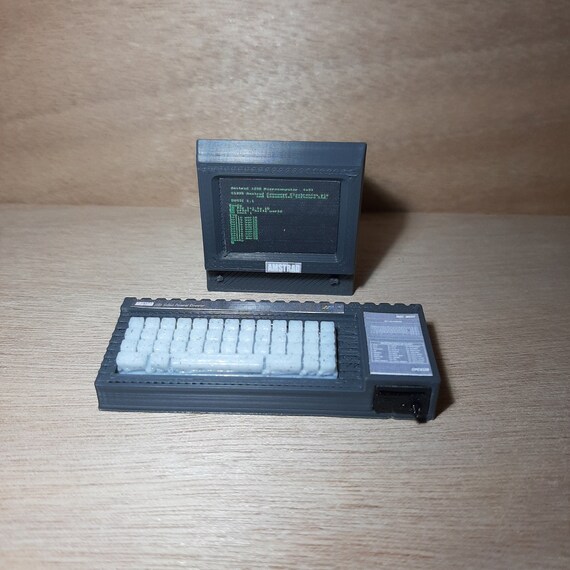
The History of the Amstrad CPC
The Amstrad CPC (Colour Personal Computer) is a series of 8-bit home computers developed by Amstrad in the 1980s. Launched in 1984, the CPC range was designed to compete with other popular home computers of the time, such as the Commodore 64 and the Sinclair ZX Spectrum.
One of the key features of the Amstrad CPC was its built-in cassette tape deck, which made it easy for users to load and save programs and data. The CPC also had a wide range of software available, including games, productivity applications, and educational programs.
There were several models in the Amstrad CPC series, including the CPC 464, CPC 664, and CPC 6128. Each model offered different features and capabilities, but all shared a common design language and user-friendly interface.
The Amstrad CPC was particularly popular in Europe, where it gained a strong following among home computer users. It was known for its robust construction, reliable performance, and affordable price point.
Despite facing stiff competition from other home computers, the Amstrad CPC enjoyed success throughout the 1980s and into the early 1990s. It remains a beloved piece of computing history for many enthusiasts and collectors today.
Overall, the Amstrad CPC played an important role in shaping the landscape of home computing in the 1980s. Its innovative design, user-friendly features, and wide range of software helped to make it a popular choice for consumers looking for an affordable yet powerful home computer.
Exploring the Amstrad CPC: Cost, Games, Sales, and Legacy
- How much did the Amstrad CPC 464 cost?
- How many Amstrad CPC games are there?
- How many Amstrad CPC were sold?
- Why did Amstrad computers fail?
- Who invented Amstrad CPC?
- Did Amstrad sell computers in the US?
- Are old Amstrad computers worth anything?
How much did the Amstrad CPC 464 cost?
The Amstrad CPC 464 was initially launched in 1984 with a price tag of around £249 in the UK. This competitive pricing made it an attractive option for home computer users looking for a budget-friendly yet capable machine. Over time, the price of the Amstrad CPC 464 fluctuated due to various factors such as market demand, technological advancements, and promotional offers. Despite these fluctuations, the affordability of the Amstrad CPC 464 played a significant role in its popularity and success among consumers during the 1980s.
How many Amstrad CPC games are there?
The exact number of games available for the Amstrad CPC is difficult to determine precisely, as new games were continuously developed and released throughout the lifespan of the system. However, it is estimated that there are thousands of games available for the Amstrad CPC, ranging from classic titles to lesser-known gems. The diverse library of games for the Amstrad CPC includes a wide variety of genres, such as platformers, adventure games, puzzle games, and more, providing something for every type of gamer to enjoy on this beloved 8-bit home computer platform.
How many Amstrad CPC were sold?
The exact number of Amstrad CPC units sold is not publicly disclosed by the company. However, it is estimated that millions of Amstrad CPC computers were sold worldwide during the 1980s and early 1990s. The Amstrad CPC series was popular in Europe and gained a strong following among home computer users due to its affordability, robust construction, and wide range of available software. Despite the lack of specific sales figures, the widespread adoption and lasting impact of the Amstrad CPC make it a significant player in the history of home computing.
Why did Amstrad computers fail?
The question of why Amstrad computers failed is a complex one with various factors at play. While Amstrad initially found success with its range of affordable and user-friendly home computers, the company faced challenges in keeping up with rapidly evolving technology and changing consumer preferences. Competition from other computer manufacturers, such as Commodore and Atari, also posed a significant threat to Amstrad’s market share. Additionally, the shift towards more advanced computing platforms, such as IBM-compatible PCs and later Macintosh computers, further marginalized Amstrad’s offerings. Ultimately, a combination of technological advancements, shifting market dynamics, and increased competition contributed to the decline of Amstrad computers in the home computer market.
Who invented Amstrad CPC?
The Amstrad CPC series of 8-bit home computers was invented by Sir Alan Sugar, a British entrepreneur and businessman. Sir Alan Sugar founded Amstrad in 1968 and played a key role in the development and success of the Amstrad CPC line of computers. His vision for creating affordable yet feature-rich home computers helped Amstrad establish itself as a prominent player in the computer industry during the 1980s. Sir Alan Sugar’s leadership and innovation were instrumental in bringing the Amstrad CPC to market and shaping its impact on the world of home computing.
Did Amstrad sell computers in the US?
Yes, Amstrad did sell computers in the US, including the Amstrad CPC series. While the Amstrad CPC was more popular in Europe, particularly in the UK and other countries, it was also available for purchase in the US. However, compared to its success in Europe, the Amstrad CPC did not achieve the same level of popularity in the US market. Despite this, there are still enthusiasts and collectors in the US who appreciate and enjoy using Amstrad computers today.
Are old Amstrad computers worth anything?
Many people wonder, “Are old Amstrad computers worth anything?” The value of old Amstrad computers can vary depending on factors such as the model, condition, rarity, and whether they are in working order. Collectors and retro computing enthusiasts often find value in vintage Amstrad computers for nostalgic reasons or as part of their collection. Some models may hold more value than others due to their historical significance or limited availability. While not all old Amstrad computers may fetch high prices on the market, they can still hold sentimental value for those who appreciate the history and legacy of these iconic machines.