
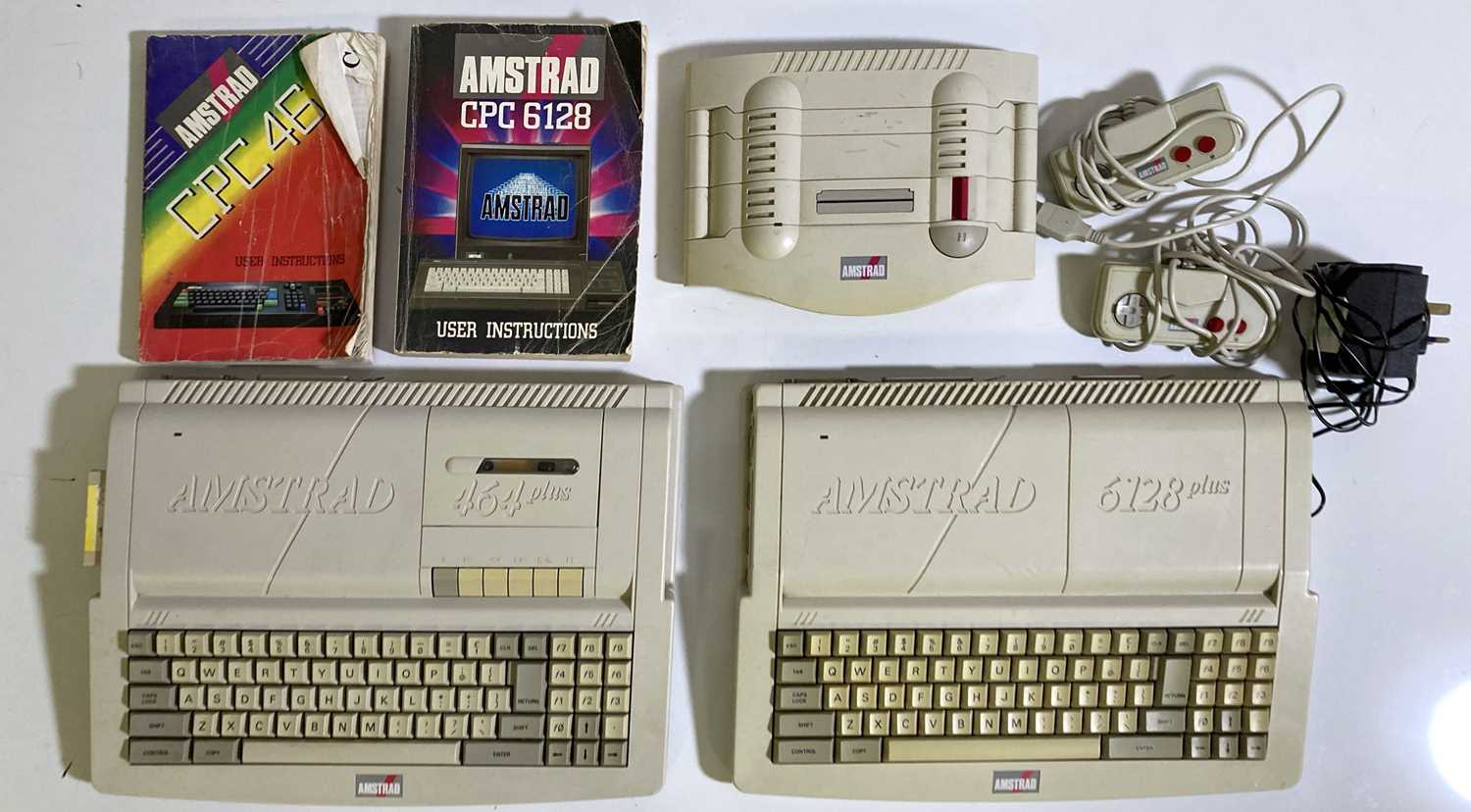
The Amstrad CPC 464: A Classic Home Computer
The Amstrad CPC 464, released in 1984, was a popular home computer that played a significant role in the personal computing revolution of the 1980s. Developed by British company Amstrad, the CPC 464 was known for its affordability, user-friendly design, and impressive capabilities.
One of the key features of the Amstrad CPC 464 was its integrated cassette tape deck, which allowed users to load and save programs and data easily. This feature made the computer accessible to a wide range of users, including families and students who were looking for an affordable yet powerful computing solution.
The CPC 464 also featured a built-in green screen monitor and a full-size keyboard, making it easy to use for both gaming and productivity tasks. Its Zilog Z80 processor and generous memory capacity ensured that it could handle a variety of software applications with ease.
One of the standout aspects of the Amstrad CPC 464 was its vibrant software library, which included popular games, educational programs, and productivity software. The computer quickly gained a dedicated following among gamers and enthusiasts who appreciated its versatility and performance.
Overall, the Amstrad CPC 464 remains a beloved classic in the world of home computing. Its impact on the industry can still be felt today, as it helped pave the way for future generations of home computers and laid the foundation for modern personal computing.
Amstrad CPC 464: Affordable Innovation and Its Role in the 1980s Computing Boom
- Affordable price point, making it accessible to a wide range of users.
- Integrated cassette tape deck for easy loading and saving of programs and data.
- User-friendly design with a full-size keyboard and built-in green screen monitor.
- Versatile Zilog Z80 processor capable of handling various software applications.
- Vibrant software library including popular games, educational programs, and productivity software.
- Significant impact on the personal computing revolution of the 1980s.
6 Drawbacks of the Amstrad CPC 464: Exploring Its Limitations
- Limited color palette and graphics capabilities compared to other home computers of the time
- Lack of a built-in disk drive, requiring users to rely on cassette tapes for data storage
- Relatively slow processing speed compared to some competing models
- Limited expandability options for hardware upgrades
- Some users found the keyboard layout and feel less comfortable for extended use
- Compatibility issues with certain software titles due to unique hardware configurations
Affordable price point, making it accessible to a wide range of users.
The affordable price point of the Amstrad CPC 464 was a key advantage that made it accessible to a wide range of users. By offering a powerful home computer at a reasonable cost, Amstrad ensured that families, students, and individuals on a budget could enjoy the benefits of personal computing without breaking the bank. This affordability played a significant role in democratizing technology and expanding the user base for home computers during the 1980s, making the Amstrad CPC 464 a popular choice for those looking for an accessible yet capable computing solution.
Integrated cassette tape deck for easy loading and saving of programs and data.
The integrated cassette tape deck of the Amstrad CPC 464 was a game-changer, providing users with a convenient and straightforward way to load and save programs and data. This feature not only made the computer more user-friendly but also significantly lowered the barrier to entry for those new to computing. Users could easily store their favorite games, applications, and personal projects on cassette tapes, allowing for seamless access to their data without the need for additional peripherals or complex setup procedures. The integrated cassette tape deck of the Amstrad CPC 464 exemplified its commitment to accessibility and ease of use, making it a standout feature that set this home computer apart from its competitors.
User-friendly design with a full-size keyboard and built-in green screen monitor.
The user-friendly design of the Amstrad CPC 464, featuring a full-size keyboard and a built-in green screen monitor, was a standout feature that contributed to its popularity. The inclusion of a full-size keyboard made typing and programming tasks comfortable and efficient, catering to users who valued ease of use. Additionally, the built-in green screen monitor provided a clear display for both gaming and productivity applications, enhancing the overall user experience. This thoughtful design approach made the Amstrad CPC 464 accessible and appealing to a wide range of users, from casual gamers to students and families seeking an intuitive computing solution.
Versatile Zilog Z80 processor capable of handling various software applications.
The Amstrad CPC 464’s versatile Zilog Z80 processor was a standout feature that set it apart from other home computers of its time. With the ability to handle a wide range of software applications, from games to productivity tools, the Z80 processor ensured that users could enjoy a diverse computing experience on the CPC 464. Its reliability and performance made it a favorite among enthusiasts and professionals alike, showcasing the computer’s capability to adapt to different tasks with ease.
Vibrant software library including popular games, educational programs, and productivity software.
The Amstrad CPC 464 boasted a vibrant software library that catered to a wide range of users, offering popular games for entertainment, educational programs for learning, and productivity software for getting work done. This diverse selection of software made the CPC 464 a versatile and appealing choice for individuals and families looking to explore different aspects of computing. Whether users wanted to play the latest games, enhance their knowledge with educational tools, or increase their productivity with software applications, the Amstrad CPC 464 had something to offer for everyone.
Significant impact on the personal computing revolution of the 1980s.
The Amstrad CPC 464 made a significant impact on the personal computing revolution of the 1980s by offering an affordable yet powerful computing solution to a wide range of users. Its user-friendly design, integrated cassette tape deck for easy program loading, and robust software library contributed to its popularity among families, students, and enthusiasts. The CPC 464’s influence can still be seen today as it played a key role in shaping the future of home computing and setting the stage for modern personal computing.
Limited color palette and graphics capabilities compared to other home computers of the time
The Amstrad CPC 464 faced criticism for its limited color palette and graphics capabilities when compared to other home computers of the time. While its performance and functionality were commendable, the CPC 464 lagged behind competitors in terms of visual display quality. The restricted color range and less sophisticated graphics capabilities made it less appealing for users who prioritized advanced visual experiences in gaming and multimedia applications. Despite this drawback, the CPC 464 still managed to carve out a niche in the market due to its affordability and user-friendly design.
Lack of a built-in disk drive, requiring users to rely on cassette tapes for data storage
One notable drawback of the Amstrad CPC 464 was the absence of a built-in disk drive, which meant that users had to rely on cassette tapes for data storage. While cassette tapes were a common and affordable storage medium at the time, they were significantly slower and less reliable than floppy disks. This limitation made loading and saving data a time-consuming process and increased the risk of data loss due to tape malfunction. Users often found themselves dealing with long loading times and the inconvenience of rewinding or fast-forwarding tapes to access specific programs or files. The lack of a built-in disk drive was a notable inconvenience for users seeking faster and more efficient data storage options on the Amstrad CPC 464.
Relatively slow processing speed compared to some competing models
The Amstrad CPC 464, while a popular home computer in the 1980s, had a notable con in its relatively slow processing speed compared to some competing models of the time. This slower speed could impact the computer’s performance when running more demanding software or games, leading to longer load times and potentially reduced overall user experience for those seeking faster processing capabilities. Despite this drawback, the Amstrad CPC 464 still found success due to its affordability and user-friendly design, making it a viable option for many home computer users.
Limited expandability options for hardware upgrades
One notable drawback of the Amstrad CPC 464 was its limited expandability options for hardware upgrades. Unlike some competing home computers of the time, the CPC 464 had fewer expansion slots and upgrade options, making it challenging for users to customize or enhance their system with additional hardware components. This limitation could be frustrating for users who wanted to expand the capabilities of their computer beyond its original specifications, potentially hindering its long-term usability and adaptability to evolving technology trends.
Some users found the keyboard layout and feel less comfortable for extended use
Some users found the keyboard layout and feel of the Amstrad CPC 464 less comfortable for extended use. The design of the keyboard, while full-size, did not always provide the most ergonomic typing experience for users who spent long hours on the computer. This aspect of the CPC 464 was a drawback for some individuals who required a more comfortable and responsive keyboard for prolonged use.
Compatibility issues with certain software titles due to unique hardware configurations
One notable drawback of the Amstrad CPC 464 was its compatibility issues with certain software titles due to its unique hardware configurations. Because of its integrated cassette tape deck and specific display capabilities, some software programs were not optimized to run smoothly on the CPC 464. This limitation sometimes frustrated users who encountered compatibility issues when trying to run certain applications or games on their computers. Despite its popularity and impressive features, the CPC 464’s unique hardware setup posed challenges for software developers and users alike, highlighting a downside to its otherwise innovative design.