
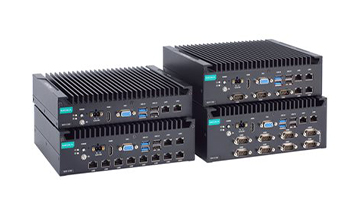
The Role of Industrial PCs in Modern Manufacturing
Industrial PCs (IPCs) play a crucial role in the modern manufacturing industry. These specialized computers are designed to operate reliably in harsh industrial environments, where standard commercial computers would not be able to withstand the conditions.
One key feature of industrial PCs is their rugged construction, which allows them to tolerate extreme temperatures, moisture, dust, and vibrations. This durability makes them ideal for use on factory floors, in warehouses, and other industrial settings where traditional computers would fail.
Industrial PCs are used for a variety of applications in manufacturing, including process control, data acquisition, monitoring and analysis of production lines, and quality control. Their reliability and stability are essential for ensuring smooth operations and minimizing downtime in industrial facilities.
Another important aspect of industrial PCs is their compatibility with industrial automation systems. They can interface with programmable logic controllers (PLCs), sensors, actuators, and other industrial devices to facilitate automation and control processes within manufacturing plants.
With the rise of Industry 4.0 and the Internet of Things (IoT), the demand for industrial PCs has been increasing rapidly. These advanced systems are capable of collecting and analyzing large amounts of data from connected devices to optimize production processes and improve efficiency in manufacturing operations.
In conclusion, industrial PCs are indispensable tools in modern manufacturing. Their rugged design, reliability, compatibility with automation systems, and ability to support Industry 4.0 technologies make them essential components for driving productivity and innovation in the industrial sector.
7 Essential Tips for Choosing and Maintaining an Industrial PC
- Choose an industrial PC with a rugged design to withstand harsh environments.
- Ensure the industrial PC has sufficient processing power and memory for your specific applications.
- Opt for an industrial PC with multiple I/O ports for connectivity with various devices.
- Consider the operating temperature range of the industrial PC to ensure it can function in your environment.
- Regularly maintain and clean the industrial PC to prevent dust and debris buildup.
- Implement proper security measures such as firewalls and antivirus software to protect the industrial PC from cyber threats.
- Train personnel on how to use and troubleshoot the industrial PC effectively.
Choose an industrial PC with a rugged design to withstand harsh environments.
When selecting an industrial PC for use in manufacturing environments, it is essential to opt for a model with a rugged design that can endure harsh conditions. The rugged construction of an industrial PC ensures its durability against extreme temperatures, moisture, dust, and vibrations commonly found in industrial settings. By choosing an industrial PC with a rugged design, you can ensure reliable performance and longevity in demanding environments, ultimately minimizing downtime and maximizing productivity in manufacturing operations.
Ensure the industrial PC has sufficient processing power and memory for your specific applications.
When selecting an industrial PC for your manufacturing needs, it is crucial to ensure that it possesses adequate processing power and memory to handle your specific applications effectively. By choosing a system with sufficient computational capabilities, you can ensure smooth operation, timely data processing, and optimal performance in your industrial environment. Insufficient processing power and memory may lead to bottlenecks, slow response times, and reduced efficiency in critical manufacturing processes. Therefore, carefully assessing your application requirements and selecting an industrial PC with the right balance of processing power and memory is essential for maximizing productivity and achieving seamless operations in your facility.
Opt for an industrial PC with multiple I/O ports for connectivity with various devices.
When selecting an industrial PC for your manufacturing needs, it is advisable to choose a model that offers multiple I/O ports. These ports provide essential connectivity options for interfacing with a wide range of devices such as sensors, actuators, controllers, and other industrial equipment. Having multiple I/O ports ensures flexibility and compatibility in your manufacturing environment, allowing seamless integration and communication between different components for efficient operations and data exchange.
Consider the operating temperature range of the industrial PC to ensure it can function in your environment.
When selecting an industrial PC for your application, it is essential to consider the operating temperature range of the device to ensure its functionality in your specific environment. Industrial PCs are designed to withstand harsh conditions, including extreme temperatures, so choosing a model that can operate within the temperature range of your facility is crucial for optimal performance and longevity. By carefully evaluating the operating temperature specifications of the industrial PC, you can ensure that it will be able to function reliably in your industrial setting, minimizing the risk of downtime and potential damage due to environmental factors.
Regularly maintain and clean the industrial PC to prevent dust and debris buildup.
Regular maintenance and cleaning of the industrial PC is essential to prevent dust and debris buildup, ensuring optimal performance and longevity. Dust and debris accumulation can hinder airflow, causing overheating and potentially damaging internal components. By implementing a regular maintenance schedule that includes cleaning the industrial PC’s vents, fans, and internal components, users can mitigate the risk of malfunctions and extend the lifespan of their equipment. This simple yet crucial practice helps to maintain the reliability and efficiency of industrial PCs in demanding manufacturing environments.
Implement proper security measures such as firewalls and antivirus software to protect the industrial PC from cyber threats.
To ensure the security of an industrial PC, it is essential to implement proper security measures such as firewalls and antivirus software. These tools help protect the system from cyber threats that could compromise its operation and data integrity. By setting up robust cybersecurity defenses, industrial PCs can operate safely in manufacturing environments and minimize the risk of unauthorized access or malicious attacks.
Train personnel on how to use and troubleshoot the industrial PC effectively.
To maximize the efficiency and effectiveness of industrial PCs in manufacturing operations, it is crucial to train personnel on how to use and troubleshoot these specialized computers effectively. Proper training ensures that workers understand how to operate the industrial PC correctly, utilize its features for optimal performance, and troubleshoot common issues that may arise during operation. By providing comprehensive training programs, companies can empower their employees to leverage the full capabilities of industrial PCs, minimize downtime due to technical problems, and contribute to the overall productivity and success of the manufacturing process.