
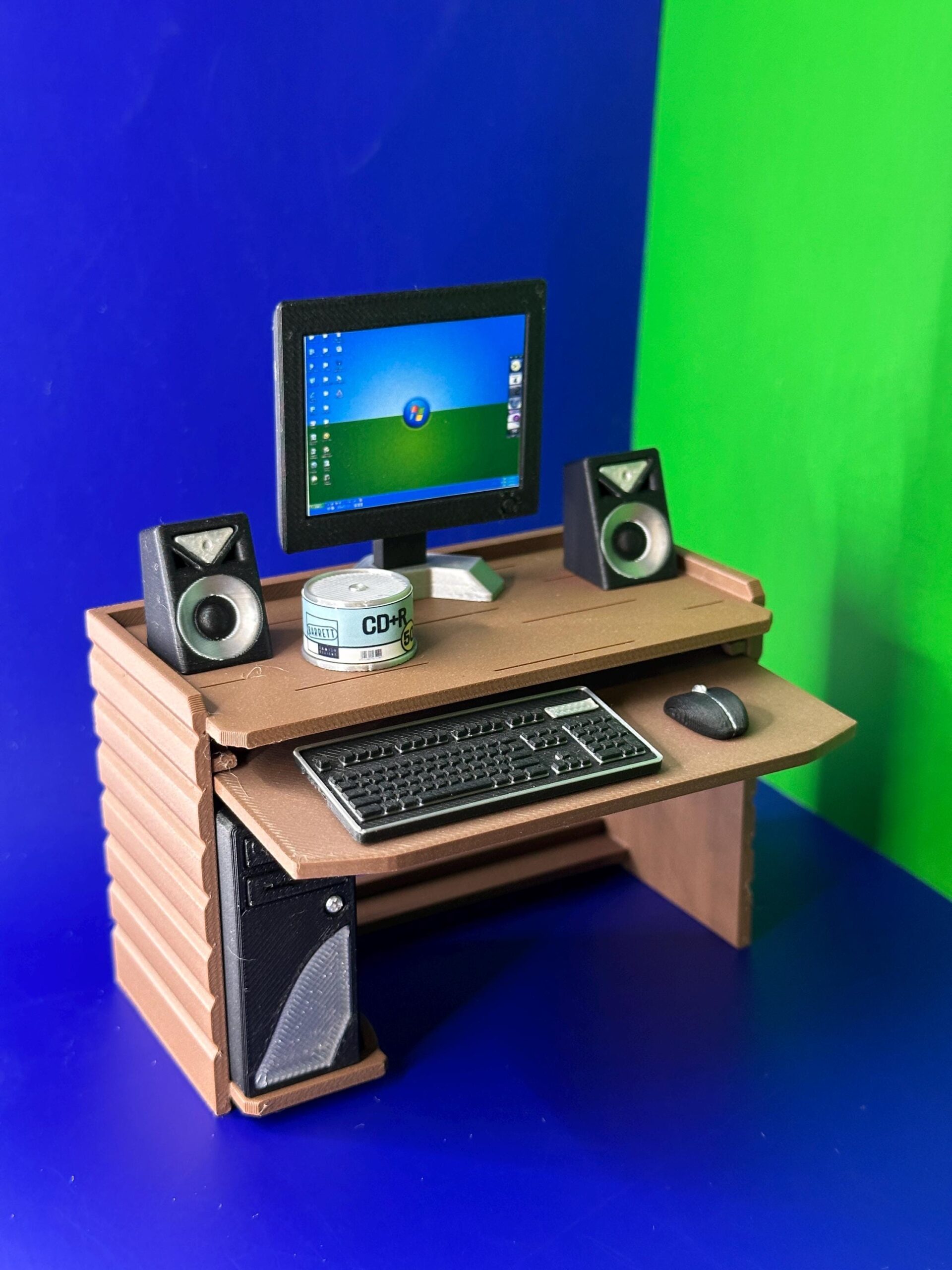
Computers in the Early 2000s
The early 2000s marked a significant period of advancement and innovation in the world of computers. As technology continued to evolve rapidly, computers became more powerful, compact, and accessible to the general public.
During this time, personal computers (PCs) were becoming increasingly popular for both work and entertainment purposes. Desktop computers were still prevalent in many households and offices, but laptops were also gaining popularity due to their portability and convenience.
One of the notable developments in the early 2000s was the introduction of Windows XP by Microsoft in 2001. This operating system brought a more user-friendly interface, improved stability, and enhanced multimedia capabilities to PCs.
Additionally, advancements in hardware components such as processors, memory, and graphics cards allowed for faster computing speeds and better performance. This led to an increase in multimedia applications, gaming experiences, and internet usage.
The early 2000s also saw the rise of wireless networking technologies such as Wi-Fi, making it easier for users to connect their devices to the internet without the need for physical cables.
Overall, the early 2000s were a transformative period for computers, paving the way for further technological advancements that would continue to shape the way we use and interact with technology today.
Exploring Early 2000s Computing: Popular Systems, Hardware Specs, and Technological Advances
- What operating system was popular for computers in the early 2000s?
- How did computers in the early 2000s differ from those in the late 1990s?
- What were the common hardware specifications of computers in the early 2000s?
- Were laptops popular during the early 2000s?
- What advancements in networking technology occurred during the early 2000s?
- How did multimedia applications evolve on computers in the early 2000s?
- What impact did Windows XP have on computers during the early 2000s?
What operating system was popular for computers in the early 2000s?
During the early 2000s, one of the most popular operating systems for computers was Windows XP, released by Microsoft in 2001. Windows XP gained widespread adoption due to its user-friendly interface, improved stability, and enhanced multimedia capabilities. Many personal computer users during this time relied on Windows XP for their computing needs, making it a dominant player in the operating system market of the early 2000s.
How did computers in the early 2000s differ from those in the late 1990s?
Computers in the early 2000s differed from those in the late 1990s in several key ways. One notable difference was the advancement in hardware technology, with faster processors, increased memory capacity, and improved graphics cards becoming more common in computers of the early 2000s. Additionally, the introduction of Windows XP in 2001 brought a more user-friendly operating system to PCs, enhancing the overall computing experience. The early 2000s also saw a rise in wireless networking technologies such as Wi-Fi, making it easier for users to connect to the internet without physical cables. These advancements contributed to faster computing speeds, better performance, and increased multimedia capabilities in computers during the early 2000s compared to those of the late 1990s.
What were the common hardware specifications of computers in the early 2000s?
During the early 2000s, common hardware specifications of computers included processors such as Intel Pentium 4 and AMD Athlon XP, typically running at speeds ranging from 1.0 GHz to 2.0 GHz. Memory (RAM) capacities ranged from 256MB to 1GB, with hard drive storage capacities starting around 20GB and increasing up to 80GB or more. Graphics cards like the NVIDIA GeForce2 and ATI Radeon were popular choices for gaming and multimedia tasks. Most computers were equipped with CD-ROM or DVD-ROM drives for software installation and media playback. Additionally, CRT monitors were still prevalent, although LCD monitors were becoming more affordable and widely adopted during this time.
Were laptops popular during the early 2000s?
Laptops began to gain significant popularity during the early 2000s due to their portability and convenience. As technology advanced, laptops became more affordable and powerful, making them a desirable choice for users who needed computing on the go. The early 2000s saw a surge in the adoption of laptops for both personal and business use, with many people opting for these compact devices over traditional desktop computers. The increasing availability of wireless networking technologies also contributed to the rise of laptops during this period, allowing users to stay connected wherever they went.
What advancements in networking technology occurred during the early 2000s?
During the early 2000s, significant advancements in networking technology revolutionized how computers connected to the internet. One of the key developments was the widespread adoption of Wi-Fi technology, which allowed users to access the internet wirelessly. This innovation eliminated the need for physical cables and provided greater flexibility in connecting devices to networks. Additionally, networking protocols such as Ethernet continued to evolve, offering faster data transfer speeds and improved reliability. These advancements in networking technology laid the foundation for a more interconnected world, enabling seamless communication and collaboration across various devices and platforms.
How did multimedia applications evolve on computers in the early 2000s?
In the early 2000s, multimedia applications on computers underwent significant evolution, driven by advancements in hardware and software capabilities. With the increasing processing power of CPUs and the availability of more advanced graphics cards, computers were able to handle multimedia content such as high-quality video playback, 3D graphics rendering, and complex audio processing more efficiently. This led to the development of multimedia-rich applications for entertainment, education, and productivity purposes. Additionally, the widespread adoption of broadband internet allowed users to stream media content online, further expanding the capabilities and accessibility of multimedia applications on computers during this time.
What impact did Windows XP have on computers during the early 2000s?
Windows XP had a significant impact on computers during the early 2000s. Launched by Microsoft in 2001, Windows XP revolutionized the user experience with its more intuitive interface, enhanced stability, and improved multimedia capabilities. It quickly became one of the most widely used operating systems, providing users with a more user-friendly and reliable platform for their computing needs. Windows XP also played a crucial role in driving the adoption of multimedia applications, gaming experiences, and internet usage, setting a new standard for operating systems in the early 2000s.