
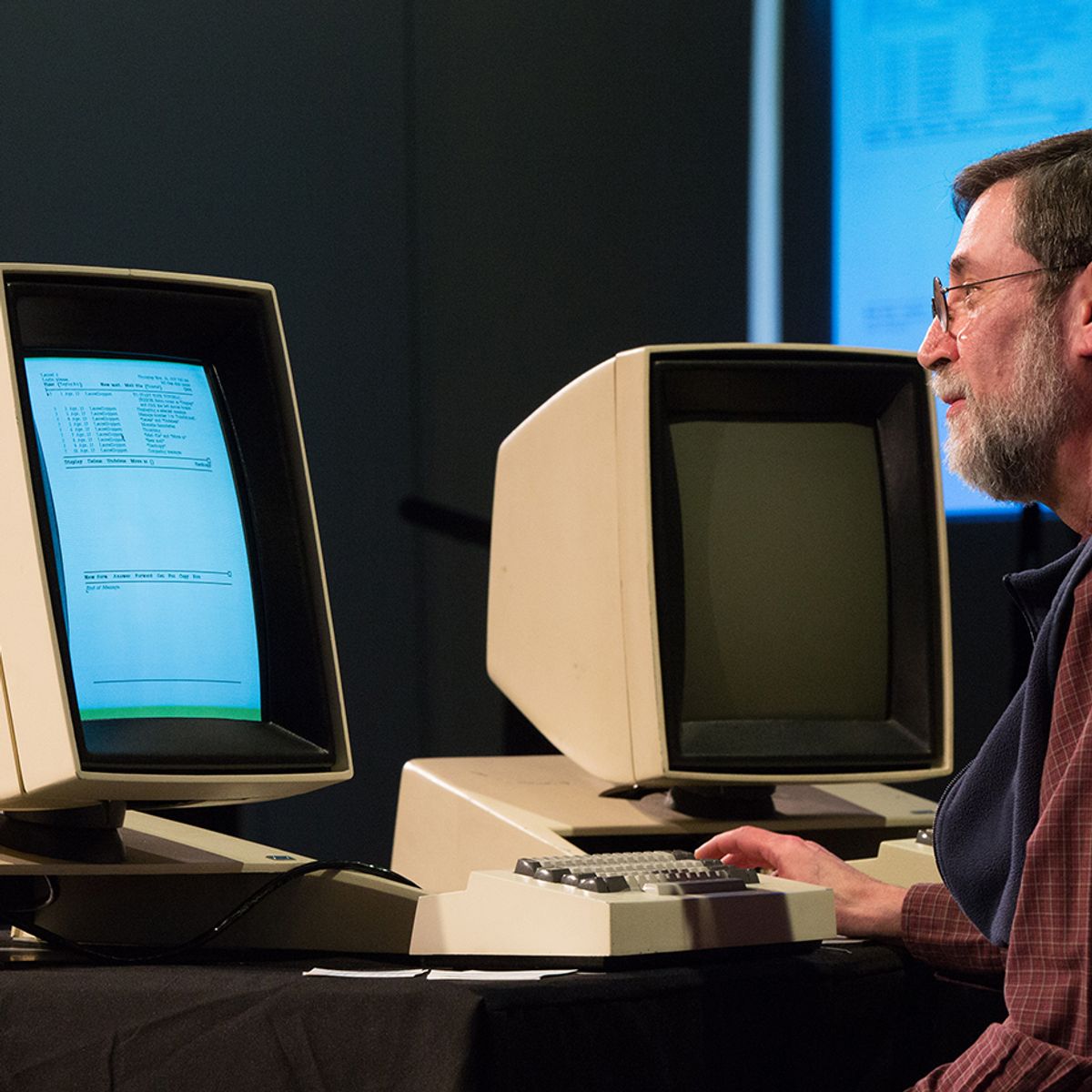
The Xerox Alto: Pioneering Computer Innovation
The Xerox Alto is a groundbreaking computer system that revolutionized the way we interact with computers. Developed at Xerox PARC (Palo Alto Research Center) in the 1970s, the Alto was one of the first computers to feature a graphical user interface (GUI), mouse, and Ethernet networking capabilities.
One of the most significant features of the Xerox Alto was its GUI, which allowed users to interact with the computer using icons, windows, and menus instead of text-based commands. This intuitive interface laid the foundation for modern computer systems and has had a lasting impact on how we use technology today.
In addition to its innovative GUI, the Xerox Alto also introduced the concept of WYSIWYG (What You See Is What You Get) editing, allowing users to see on screen exactly how a document would appear when printed. This was a major advancement in computing at the time and paved the way for desktop publishing applications.
Furthermore, the Xerox Alto was one of the first computers to incorporate a mouse as a pointing device. This simple yet effective input device made it easier for users to interact with graphical elements on screen and has since become ubiquitous in computing.
Despite its revolutionary features, the Xerox Alto was never commercially released. Instead, it served as a research platform for exploring new ideas in computing that would later influence products such as the Apple Macintosh and Microsoft Windows.
The legacy of the Xerox Alto lives on in modern computing devices and software systems. Its innovative features have shaped how we use technology today and continue to inspire new advancements in human-computer interaction.
Exploring the Legacy of Xerox Alto: 8 Insights into the Pioneering Personal Computer
- The Xerox Alto was one of the first personal computers developed at Xerox PARC in the 1970s.
- It featured a graphical user interface with windows, icons, and a mouse, setting the standard for modern computing interfaces.
- The Alto had a small built-in display and could be connected to an external monitor for better visibility.
- It used Ethernet to connect multiple Altos together in a local area network, allowing for shared resources and collaboration.
- The Alto’s software included applications like email, word processing, drawing programs, and games.
- Xerox never commercially released the Alto but it heavily influenced future computer designs from companies like Apple and Microsoft.
- Many concepts introduced by the Xerox Alto are still used in today’s computers and user interfaces.
- Studying the Xerox Alto can provide valuable insights into the history of personal computing and human-computer interaction.
The Xerox Alto was one of the first personal computers developed at Xerox PARC in the 1970s.
The Xerox Alto stands out as one of the pioneering personal computers created at Xerox PARC during the 1970s. This innovative system played a crucial role in shaping the future of computing by introducing cutting-edge features such as a graphical user interface, mouse input, and networking capabilities. Its development marked a significant milestone in computer history, setting the stage for the evolution of user-friendly interfaces and paving the way for modern computing technologies that we rely on today.
It featured a graphical user interface with windows, icons, and a mouse, setting the standard for modern computing interfaces.
The Xerox Alto was a pioneering computer system that featured a graphical user interface with windows, icons, and a mouse, setting the standard for modern computing interfaces. This innovative design allowed users to interact with the computer in a more intuitive and visual way, laying the foundation for the user-friendly interfaces we use today. The combination of windows, icons, and a mouse revolutionized how users interacted with computers, making tasks more accessible and efficient. The Xerox Alto’s forward-thinking design has had a lasting impact on the development of computing interfaces and has influenced the design of countless devices and software systems in use today.
The Alto had a small built-in display and could be connected to an external monitor for better visibility.
The Xerox Alto featured a small built-in display that could be connected to an external monitor for improved visibility. This dual-display capability allowed users to customize their setup based on their preferences and work requirements, providing flexibility in how they interacted with the computer system. By offering the option to connect to an external monitor, the Alto enhanced the user experience and productivity by accommodating different viewing needs and environments.
It used Ethernet to connect multiple Altos together in a local area network, allowing for shared resources and collaboration.
The Xerox Alto utilized Ethernet technology to interconnect multiple Altos within a local area network, enabling seamless communication, shared resources, and collaborative work environments. This innovative networking capability was instrumental in fostering a dynamic and interconnected computing environment, setting the stage for modern-day networking technologies and the concept of shared resources in collaborative work settings.
The Alto’s software included applications like email, word processing, drawing programs, and games.
The Xerox Alto’s software offerings were diverse and ahead of its time, encompassing a range of applications that catered to various user needs. From essential tools like email and word processing to creative outlets such as drawing programs, the Alto provided a comprehensive suite of productivity and entertainment options. Additionally, the inclusion of games showcased the system’s versatility and highlighted Xerox’s foresight in recognizing the importance of balancing work and play in computing environments.
Xerox never commercially released the Alto but it heavily influenced future computer designs from companies like Apple and Microsoft.
The decision by Xerox to never commercially release the Alto did not diminish its impact on the future of computing. In fact, this pioneering computer system heavily influenced the design and development of subsequent products from companies like Apple and Microsoft. The innovative features and concepts introduced in the Xerox Alto, such as the graphical user interface and mouse input, served as a blueprint for the evolution of personal computing, shaping the way we interact with technology today.
Many concepts introduced by the Xerox Alto are still used in today’s computers and user interfaces.
Many concepts introduced by the Xerox Alto are still integral to today’s computers and user interfaces. The pioneering graphical user interface, mouse input, and WYSIWYG editing features of the Xerox Alto have had a lasting impact on how we interact with technology. These innovations laid the groundwork for modern computing experiences, influencing the design of operating systems, software applications, and user interface standards that are prevalent in today’s digital world. The legacy of the Xerox Alto continues to shape the way we use and interact with computers, highlighting its enduring significance in the evolution of technology.
Studying the Xerox Alto can provide valuable insights into the history of personal computing and human-computer interaction.
Studying the Xerox Alto can provide valuable insights into the history of personal computing and human-computer interaction. The innovative features of the Xerox Alto, such as its graphical user interface, mouse input, and networking capabilities, laid the foundation for modern computer systems and have had a lasting impact on how we interact with technology. By exploring the development and design choices behind the Xerox Alto, researchers and enthusiasts can gain a deeper understanding of the evolution of personal computing and the crucial role that human-computer interaction plays in shaping our digital experiences today.