
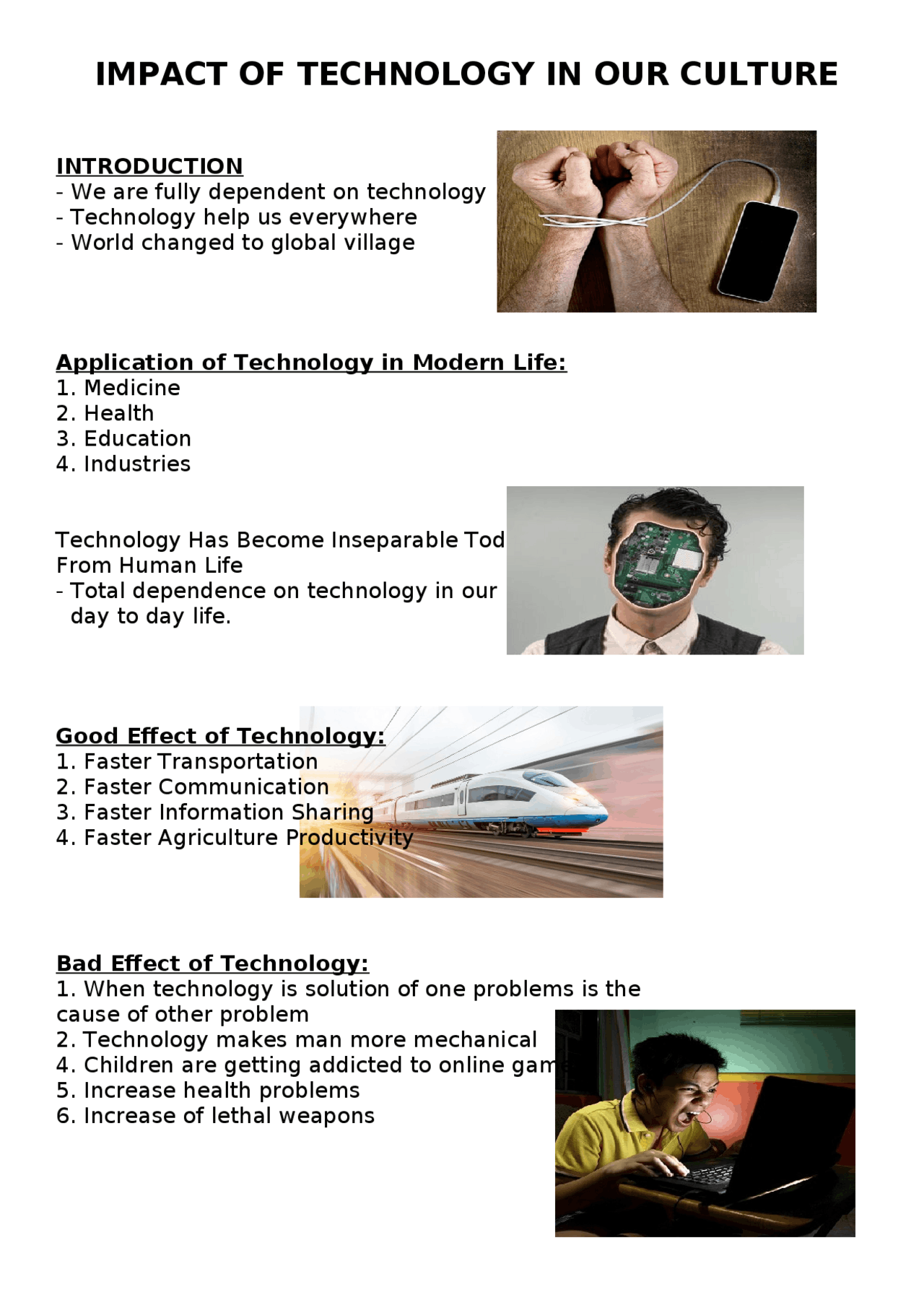
The Effect of Technology on Our Lives
Technology has become part of nearly every aspect of modern life. Smartphones, computers, the internet, and artificial intelligence influence how people communicate, learn, work, shop, and spend their free time. These tools offer convenience and new opportunities, but they also bring challenges. Understanding both sides can help people use technology in ways that support their well-being and communities.
Faster Communication and Stronger Connections
Digital technology makes it possible to communicate across long distances in seconds. Messaging apps, video calls, and social media help friends and families stay connected, even when they live in different places. Online communities can also bring together people who share interests or experiences.
At the same time, digital communication can sometimes replace meaningful face-to-face interaction. Messages may be misunderstood without tone or context, and constant notifications can make it difficult to focus on the people nearby. Using technology thoughtfully can help balance convenience with personal connection.
New Ways to Learn
The internet gives students and lifelong learners access to a vast range of information. Online courses, educational videos, digital libraries, and interactive tools allow people to study at their own pace and explore subjects beyond the classroom. Technology can also help teachers adapt lessons to different needs and learning styles.
However, access to reliable devices and internet service is not equal for everyone. This digital divide can limit educational opportunities. In addition, the abundance of online information makes it important to evaluate sources carefully and distinguish accurate reporting from misinformation.
Changes in Work and the Economy
Technology has transformed many workplaces. Software can automate routine tasks, make collaboration easier, and allow some employees to work remotely. New industries and careers have also emerged in fields such as software development, cybersecurity, and digital media.
These changes can create uncertainty. Automation may reduce demand for certain jobs, while new roles often require different skills. Ongoing training and education can help workers adapt. Organizations also need to consider how technology affects employee privacy, workload, and work-life boundaries.
Health, Convenience, and Well-Being
Medical technology has improved diagnosis, treatment, and communication between patients and health professionals. Wearable devices can help people track activity and other health measurements, while telehealth services can make some forms of care easier to access.
Technology can also affect well-being. Long periods of screen use may contribute to eye strain, disrupted sleep, or reduced physical activity. Health apps and online resources can be useful, but they do not replace professional medical advice. Taking regular breaks and setting healthy boundaries can help people benefit from digital tools without relying on them too heavily.
Privacy and Responsible Use
Many digital services collect personal information to provide features, personalize content, or support advertising. This can make services more convenient, but it also raises questions about privacy, data security, and how personal information is used. Strong passwords, privacy settings, and careful consideration before sharing information can reduce some risks.
Technology also shapes how people encounter news and opinions. Recommendation systems can make it easier to find relevant content, but they may also repeatedly show similar viewpoints. Seeking information from a range of trustworthy sources can encourage a broader understanding of important issues.
Finding a Healthy Balance
Technology is neither entirely beneficial nor entirely harmful. Its effects depend on how it is designed, who can access it, and how people choose to use it. Digital tools can save time, expand knowledge, support health care, and bring people together. They can also create distractions, expose personal data, and deepen existing inequalities.
A thoughtful approach means choosing tools that serve a clear purpose, protecting personal information, checking the quality of online content, and making time for activities away from screens. With informed and responsible use, technology can improve everyday life while leaving room for human connection, reflection, and well-being.
Exploring the Impact of Technology on Our Lives: Benefits, Challenges, and Balanced Usage
- How does technology affect our daily lives?
- What are the positive effects of technology on our lives?
- What are the negative effects of technology on our lives?
- How does technology affect communication and relationships?
- How can we use technology in a healthy and balanced way?
How does technology affect our daily lives?
Technology affects our daily lives by making communication, learning, work, shopping, and access to information faster and more convenient. Smartphones and online services help us stay connected and complete tasks from almost anywhere, while digital tools support healthcare and entertainment. At the same time, heavy technology use can distract us, reduce face-to-face interaction, affect sleep, and raise concerns about privacy. Using technology thoughtfully can help us enjoy its benefits while managing these challenges.
What are the positive effects of technology on our lives?
Technology improves our lives in many ways by making communication faster, information easier to access, and everyday tasks more convenient. It helps people learn through online courses and digital resources, work and collaborate from different locations, and stay connected with friends and family. Advances in health technology can support earlier diagnosis, better treatment, and remote care, while accessibility tools help more people participate in education, work, and daily life. Used thoughtfully, technology can save time, expand opportunities, and make essential services more accessible.
What are the negative effects of technology on our lives?
Technology can have several negative effects on our lives when it is used excessively or without care. Too much screen time may contribute to eye strain, disrupted sleep, reduced physical activity, and difficulty concentrating. Social media and constant notifications can increase stress, encourage unhealthy comparisons, and interrupt in-person relationships. Technology also raises concerns about privacy, data security, misinformation, and the loss or transformation of some jobs through automation. These effects are not inevitable, but they make it important to set healthy boundaries, protect personal information, and use digital tools thoughtfully.
How does technology affect communication and relationships?
Technology makes it easier to stay in touch through messaging, video calls, and social media, helping people maintain relationships across distances and connect with others who share their interests. However, frequent screen use can also distract from in-person conversations, and brief digital messages may be misunderstood without tone or context. Using technology thoughtfully—while making time for focused, face-to-face interaction—can help people enjoy its convenience and build stronger relationships.
How can we use technology in a healthy and balanced way?
We can use technology in a healthy, balanced way by choosing tools that support our needs and setting clear boundaries around screen time. Take regular breaks, turn off unnecessary notifications, and make time for sleep, exercise, hobbies, and face-to-face conversations. It also helps to think carefully about what we share online and to check information against reliable sources. By using technology intentionally rather than automatically, we can enjoy its benefits while protecting our well-being and personal connections.