
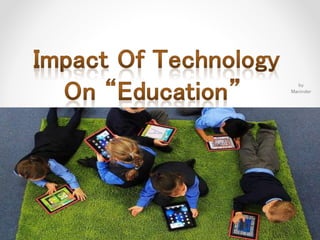
The Impact of Modern Technology on Education
Modern technology has changed how students learn, how teachers teach, and how schools connect with families and communities. Computers, mobile devices, online platforms, and digital learning tools have made information easier to access and created new ways to teach and collaborate. At the same time, technology brings challenges that schools must address to ensure it supports learning rather than distracts from it.
More Access to Information and Learning
Students can use digital libraries, educational videos, interactive lessons, and online courses to explore subjects beyond the classroom. These resources can make it easier to review difficult concepts, pursue personal interests, and learn at different times and places. Technology can also connect students with experts and educational materials from around the world.
For students who cannot attend school in person, online learning can provide valuable flexibility. Digital tools may also support students with disabilities through features such as screen readers, captions, speech-to-text, and adjustable text sizes.
New Ways to Teach and Collaborate
Technology gives teachers additional ways to present lessons and check for understanding. Simulations can help students visualize complex ideas, while collaborative documents and classroom platforms make it easier to share work and receive feedback. Teachers can also use digital assessments to identify areas where students may need more support.
When used thoughtfully, these tools can encourage active learning. Students might work together on a presentation, analyze data, create a video, or solve a problem using an online simulation. Such activities can help them practice communication, creativity, and digital skills alongside academic content.
Personalized Learning and Artificial Intelligence
Some educational platforms adapt practice activities based on a student’s progress. This can give learners more opportunities to work on challenging topics while allowing them to move ahead when they are ready. Artificial intelligence tools can also help with brainstorming, explanations, language support, and feedback.
These tools are not substitutes for teachers. Their results may be inaccurate, incomplete, or biased, and students need guidance on how to evaluate them. Schools should establish clear expectations for using AI, protect student privacy, and make sure students continue to develop essential skills such as writing, reasoning, and evaluating evidence.
Challenges and Considerations
Access to technology is not equal. Some students have reliable internet connections and personal devices, while others may have to share equipment or rely on limited connectivity. These gaps can affect participation and achievement. Schools can help by providing devices, internet access, technical support, and alternatives for students who cannot consistently get online.
Digital learning also requires attention to screen time, online safety, and distraction. Notifications, social media, and unrelated websites can interrupt concentration. Students need support in developing healthy technology habits, protecting personal information, recognizing misinformation, and communicating respectfully online.
Teachers face challenges too. Introducing new tools takes time, training, and planning. Technology can add little value if it is used only to replace a paper worksheet with a digital one. The most effective approach begins with a learning goal and chooses technology only when it helps students meet that goal.
Using Technology with Purpose
Modern technology can make education more flexible, interactive, and accessible, but it does not guarantee better learning on its own. Strong teaching, supportive relationships, and well-designed lessons remain essential. Schools can get the most from digital tools by choosing them carefully, training educators, protecting student data, and ensuring all learners have a fair chance to participate.
When technology is used with clear goals and thoughtful guidance, it can expand educational opportunities and prepare students to participate confidently in an increasingly digital world.
Exploring the Impact of Modern Technology on Education: Key Questions and Insights
- What impact do you think technology has had on education?
- How does technology have a positive impact on education?
- How is tech changing education?
- What are 10 negative effects of technology on students?
- What is the impact of technology in modern?
- What are the effects of technology on education?
- How does modern technology affect you as a student?
What impact do you think technology has had on education?
Technology has made education more accessible, flexible, and interactive by giving students quick access to information, online courses, and digital learning tools. It helps teachers personalize lessons, provide faster feedback, and support collaboration beyond the classroom. However, technology also brings challenges, including distractions, privacy concerns, unequal access to devices and reliable internet, and the need to evaluate online information critically. Its impact is greatest when digital tools are used thoughtfully to support—not replace—effective teaching and meaningful connections between students and educators.
How does technology have a positive impact on education?
Technology can have a positive impact on education by making learning resources easier to access, supporting different learning needs, and helping students explore ideas through interactive tools. Online lessons, videos, simulations, and digital libraries let students review concepts at their own pace and discover information beyond the classroom. Technology also helps teachers share materials, provide timely feedback, and adapt instruction to students’ progress. When used thoughtfully and equitably, these tools can make learning more engaging, flexible, and accessible.
How is tech changing education?
Technology is changing education by making learning more accessible, interactive, and flexible. Students can use online courses, digital libraries, videos, and learning apps to study at their own pace and from different locations, while teachers can use digital tools to share materials, provide feedback, and adapt lessons to students’ needs. Technology also supports collaboration and new approaches such as simulations and AI-powered learning tools. However, it works best when used purposefully, with attention to student privacy, screen time, equal access, and the importance of guidance from teachers.
What are 10 negative effects of technology on students?
Technology can benefit learning, but overuse or poorly managed use may negatively affect students in several ways: it can distract them from lessons, reduce face-to-face interaction, contribute to excessive screen time and disrupted sleep, strain their eyes or encourage poor posture, make it easier to copy work rather than develop independent skills, expose them to cyberbullying or inappropriate content, put their privacy and personal data at risk, increase stress from constant notifications and online demands, widen learning gaps for students without reliable devices or internet, and make it harder to evaluate the accuracy of online information. These effects are not inevitable; clear expectations, balanced screen time, digital literacy, and equitable access can help reduce them.
What is the impact of technology in modern?
Technology has had a major impact on modern education by making learning more accessible, flexible, and interactive. Students can use online resources, digital classrooms, and educational apps to study from almost anywhere, while teachers can use multimedia lessons and digital tools to support different learning needs. However, technology also presents challenges, including screen-time concerns, distractions, privacy risks, and unequal access to devices or reliable internet. Its greatest benefits come when it is used thoughtfully to support—not replace—effective teaching and meaningful interaction.
What are the effects of technology on education?
Technology has made education more accessible, flexible, and interactive by giving students quick access to information, online courses, and digital learning tools. It can support different learning needs, encourage collaboration, and help teachers personalize instruction and track progress. However, technology can also create distractions, raise concerns about privacy and screen time, and widen gaps between students who do and do not have reliable devices or internet access. Its effects depend on how thoughtfully it is used: technology works best when it supports strong teaching and meaningful learning rather than replacing them.
How does modern technology affect you as a student?
Modern technology affects me as a student by giving me quick access to information, online learning resources, and tools that help me organize assignments and collaborate with classmates. Educational apps and videos can make challenging topics easier to understand, while digital platforms let me study from different places and review lessons at my own pace. However, technology can also be distracting, and relying on it too much may make it harder to focus or evaluate information critically. Using it thoughtfully helps me learn more effectively and develop useful digital skills.