
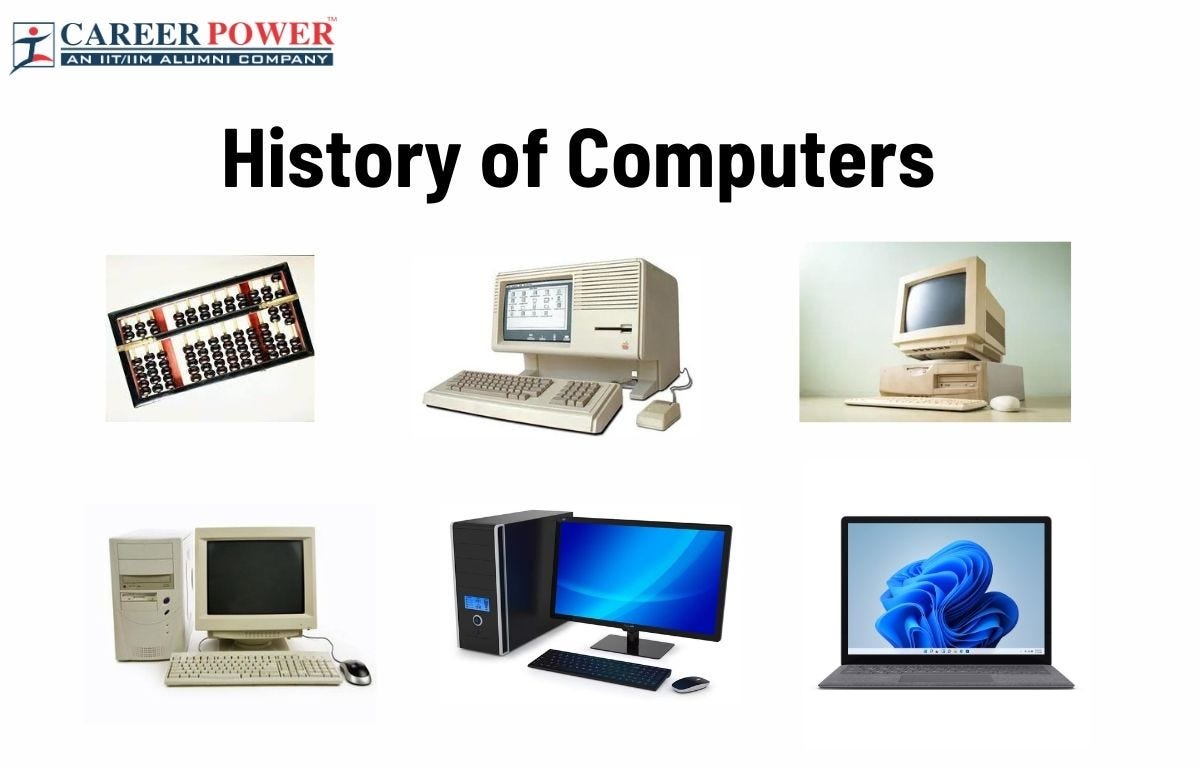
A Brief History of Computers
Computers have changed dramatically over the centuries, from mechanical calculating devices to powerful machines that fit in a pocket. Their history is a story of new ideas, engineering breakthroughs, and growing access to information.
Early Calculating Machines
Long before electronic computers, people used tools to help with arithmetic. The abacus, developed thousands of years ago, made it easier to count and perform calculations. In the 17th century, inventors such as Blaise Pascal and Gottfried Wilhelm Leibniz created mechanical calculators that could handle arithmetic operations.
In the 19th century, British mathematician Charles Babbage designed the Difference Engine and the more ambitious Analytical Engine. The Analytical Engine was never completed, but its proposed use of memory, processing, and instructions anticipated features of modern computers. Ada Lovelace, who wrote notes describing how the machine might carry out a sequence of operations, is often recognized as an early computer programmer.
The First Electronic Computers
During the 20th century, advances in electronics made automatic computing possible. Early machines such as the Colossus, built in Britain during World War II to help decode encrypted messages, and ENIAC, completed in the United States in 1945, used vacuum tubes and occupied entire rooms. They were designed for specialized tasks and required substantial effort to program.
In 1945, mathematician John von Neumann described a computer design in which instructions and data could be stored in the same memory. This stored-program approach became a foundation for many later computers. The invention of the transistor in 1947 made computers smaller, more reliable, and more energy-efficient than vacuum-tube machines.
From Mainframes to Personal Computers
By the 1950s and 1960s, computers were increasingly used by businesses, universities, and governments. They were still large and expensive, but integrated circuits—introduced in the late 1950s—combined multiple electronic components on a small chip and helped reduce their size and cost.
The development of the microprocessor in the early 1970s placed a computer’s central processing functions on a single chip. This made personal computers practical. During the late 1970s and 1980s, machines such as the Apple II, Commodore PET, Commodore 64, and IBM PC brought computing into homes, schools, and offices. Graphical interfaces and the computer mouse also made computers easier for more people to use.
The Internet and Mobile Computing
The internet grew from research networks developed in the late 20th century. The World Wide Web, created by Tim Berners-Lee in 1989, made it easier to publish and browse information online. As personal computers became common and internet access expanded, people began using computers for communication, education, entertainment, shopping, and work.
In the 21st century, smartphones and tablets made computing mobile and always within reach. Cloud computing allows people to store data and use services over the internet, while artificial intelligence has introduced new ways for computers to recognize patterns, generate content, and assist with complex tasks.
A Continuing Story
Computer history is still unfolding. Each generation has made computing more capable and accessible, while raising new questions about privacy, security, and the role of technology in society. From early counting tools to connected devices and advanced computing systems, computers continue to shape how people live and work.
A Brief History of Computers: 8 Key Benefits That Changed the World
- Computers have made calculations faster.
- They have improved access to information.
- They support global communication.
- They help automate repetitive tasks.
- Personal computers made technology more accessible.
- The internet expanded learning opportunities.
- Mobile devices enable computing on the go.
- Advances continue to inspire innovation.
Key Challenges Throughout Computer History
- Early computers were enormous and expensive.
- Vacuum tubes consumed much power and failed often.
- Personal computers were initially difficult to use.
- Modern computing raises privacy and security concerns.
Computers have made calculations faster.
One of the biggest advantages of computers is their ability to perform calculations quickly. Tasks that once took people hours or even days can now be completed in seconds, often with great accuracy. From balancing budgets and analyzing scientific data to helping engineers design buildings, computers save time and make complex calculations easier to manage.
They have improved access to information.
Computers have greatly improved access to information by making knowledge easier to find, share, and use. With an internet-connected computer, people can explore online libraries, educational resources, news, and research from almost anywhere. This convenience helps students learn, supports professionals in their work, and allows people to discover new ideas without relying only on printed materials or visiting a physical library.
They support global communication.
Computers support global communication by allowing people to connect across countries and time zones in seconds. Through email, messaging apps, video calls, and social media, families can stay in touch, coworkers can collaborate remotely, and people can share ideas and information with audiences around the world. These tools have made communication faster and more accessible, helping bring people and communities closer together.
They help automate repetitive tasks.
One major benefit of computers is their ability to automate repetitive tasks. They can quickly handle routine work such as sorting data, processing calculations, sending scheduled messages, and generating reports. By taking on these tasks, computers help people save time, reduce manual errors, and focus on work that requires creativity, judgment, or personal attention.
Personal computers made technology more accessible.
Personal computers made technology more accessible by bringing computing out of large institutions and into homes, schools, and workplaces. As computers became smaller and more affordable, more people could use them to write, learn, create, communicate, and explore information. This wider access helped make technology a practical part of everyday life.
The internet expanded learning opportunities.
The internet has greatly expanded learning opportunities by making information and educational resources available to people around the world. Students can take online courses, watch tutorials, read digital books, and connect with teachers and classmates beyond their local communities. This access makes it easier to explore new subjects, learn at a flexible pace, and build skills throughout life.
Mobile devices enable computing on the go.
Mobile devices have made computing possible almost anywhere. Smartphones and tablets let people check information, communicate, work, learn, and manage everyday tasks while away from a desk. This portability has made digital tools more convenient and accessible, helping people stay connected whether they are traveling, commuting, or simply moving between places.
Advances continue to inspire innovation.
The history of computers shows how each breakthrough can inspire new ideas and possibilities. From mechanical calculators to personal computers, the internet, and smartphones, advances in computing have encouraged people to imagine better ways to solve problems, communicate, and create. That spirit of innovation continues today, as emerging technologies build on earlier discoveries and open the door to new tools and applications.
Early computers were enormous and expensive.
One major drawback of early computers was their enormous size and high cost. Many machines filled entire rooms, required specialized facilities and teams of trained operators, and consumed large amounts of electricity. Their expense put them beyond the reach of most individuals and small businesses, limiting computer use mainly to governments, universities, and large corporations.
Vacuum tubes consumed much power and failed often.
Early computers relied on vacuum tubes to process information, but these components had significant drawbacks. They consumed large amounts of electricity, generated intense heat, and often burned out or failed, making machines expensive to operate and difficult to maintain. As a result, computers using vacuum tubes needed frequent repairs and cooling systems, and their size and reliability were limited.
Personal computers were initially difficult to use.
In the early days of personal computing, computers were often difficult for beginners to use. Many required users to type commands, understand technical instructions, and troubleshoot problems without the help of today’s intuitive interfaces. Setup could also be complicated, and manuals were often written for people with some technical experience. As a result, personal computers initially demanded patience and a willingness to learn before users could make the most of them.
Modern computing raises privacy and security concerns.
As computers and internet-connected devices have become part of everyday life, they have created new privacy and security risks. Companies and services may collect personal information, while cybercriminals can exploit weak passwords, software flaws, or stolen data to commit fraud and gain unauthorized access to accounts. These concerns make it important for individuals and organizations to protect sensitive information, use strong security practices, and understand how their data is collected and shared.