
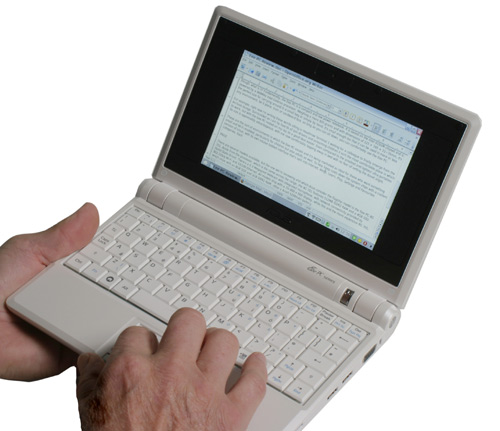
The Evolution of Small Computers
In the world of technology, small computers have played a significant role in revolutionizing the way we work, communicate, and interact with the digital world. From early portable devices to modern ultra-compact laptops and smartphones, small computers have come a long way in terms of design, performance, and functionality.
Small computers first gained popularity in the 1980s with the introduction of portable personal computers such as the Osborne 1 and Compaq Portable. These early devices were bulky and limited in terms of processing power and storage capacity, but they represented a major breakthrough in terms of portability and convenience.
As technology advanced, small computers became increasingly powerful and compact. The rise of laptops in the 1990s marked a turning point in the evolution of small computers, offering users a balance of performance and portability that was previously unheard of. Laptops quickly became essential tools for professionals, students, and anyone on the go.
In recent years, small computers have become even smaller and more versatile with the advent of smartphones, tablets, and ultra-compact laptops such as Chromebooks. These devices pack impressive computing power into pocket-sized form factors, allowing users to stay connected and productive wherever they go.
Looking ahead, the future of small computers is likely to be defined by advancements in miniaturization, artificial intelligence, and connectivity. As technology continues to evolve at a rapid pace, we can expect small computers to become even more powerful, efficient, and integrated into every aspect of our lives.
Whether you’re using a smartphone to check your email on the go or relying on a compact laptop for work or school, small computers continue to shape the way we live and work in the digital age.
Top 5 Benefits of Small Computers: Portability, Space-Saving, and More
7 Drawbacks of Small Computers: Why Compact Isn’t Always Better
- Limited screen size may strain eyes with prolonged use.
- Smaller keyboards can be uncomfortable for extended typing sessions.
- Less powerful hardware compared to larger desktop computers.
- Limited upgrade options due to compact design.
- Shorter battery life in some models due to smaller battery capacity.
- Higher risk of overheating due to limited space for cooling mechanisms.
- Reduced connectivity options such as fewer USB ports or lack of Ethernet port.
Portability
Small computers offer the key advantage of portability, as their lightweight and compact design make them incredibly convenient to carry around for both work and leisure purposes. Whether you’re a busy professional needing to stay productive on the go or a casual user looking to stay connected while traveling, the portability of small computers ensures that you can easily take your device with you wherever you go. This convenience allows for seamless integration of technology into various aspects of daily life, enabling users to work, communicate, and entertain themselves with ease, regardless of their location.
Space-saving
Small computers offer the significant advantage of space-saving design, making them perfect for environments where space is limited. Their compact size allows them to fit comfortably on small desks or workstations, making them an ideal choice for those with limited workspace. Additionally, their portability makes them convenient for on-the-go use, enabling users to carry their computing power with them wherever they go without being burdened by bulky equipment. This space-saving feature of small computers enhances efficiency and flexibility in various settings, catering to the needs of modern lifestyles that prioritize mobility and minimalistic design.
Energy-efficient
Small computers offer the advantage of being energy-efficient, consuming less power compared to larger desktops. This not only helps in saving energy but also contributes to reducing electricity bills. The compact size and efficient design of small computers make them a sustainable choice for individuals and businesses looking to minimize their environmental impact while enjoying reliable computing performance.
Convenience
Small computers provide the invaluable benefit of convenience by enabling users to work or access information from virtually anywhere at any time. Whether it’s checking emails on a smartphone during a commute, reviewing documents on a compact laptop in a coffee shop, or staying connected with a tablet while traveling, the portability and accessibility of small computers empower individuals to stay productive and connected regardless of their location. This flexibility and convenience have transformed the way we live and work, allowing for greater efficiency and connectivity in today’s fast-paced world.
Modern features
Small computers offer a remarkable advantage in terms of modern features, despite their compact size. These devices are designed to pack a punch with high-resolution displays that deliver crisp visuals, fast processors that ensure smooth performance, and ample storage capacity to store all your files and data. Whether it’s a sleek smartphone, a portable tablet, or an ultra-compact laptop, small computers bring the latest technology right to your fingertips, making them ideal for users who value both convenience and cutting-edge features.
Limited screen size may strain eyes with prolonged use.
One drawback of small computers is their limited screen size, which can potentially strain the eyes with prolonged use. Due to the compact nature of small devices such as smartphones, tablets, and ultra-compact laptops, users may find themselves squinting or adjusting their viewing angles to read content or view images comfortably. This can lead to eye fatigue and discomfort over time, especially for individuals who spend extended periods using these devices. It is important for users of small computers to take regular breaks, adjust screen brightness and font sizes, and maintain proper posture to minimize eye strain and promote eye health.
Smaller keyboards can be uncomfortable for extended typing sessions.
One drawback of small computers is that their smaller keyboards can be uncomfortable for extended typing sessions. The reduced key size and spacing on compact keyboards may lead to increased typing errors and fatigue, especially for users with larger hands or those accustomed to full-sized keyboards. This limitation can hinder productivity and cause discomfort during prolonged use, making it important for individuals who engage in extensive typing tasks to consider the ergonomic implications of using a small computer for extended periods.
Less powerful hardware compared to larger desktop computers.
One drawback of small computers is their less powerful hardware when compared to larger desktop computers. Due to their compact size and portability, small computers often have limitations in terms of processing power, storage capacity, and overall performance. This can impact the ability to run resource-intensive applications or handle demanding tasks efficiently. While advancements in technology have improved the performance of small computers over the years, they may still struggle to match the raw power and capabilities of larger desktop counterparts.
Limited upgrade options due to compact design.
One significant downside of small computers is the limited upgrade options they offer due to their compact design. Unlike larger desktop computers that often have easily accessible internal components for upgrades, small computers such as laptops and mini PCs are typically designed with tightly integrated hardware that is difficult or impossible to upgrade. This can be frustrating for users who want to improve performance or expand storage capacity over time, as they are often restricted to external solutions or limited upgrade paths, which may not always meet their needs effectively.
Shorter battery life in some models due to smaller battery capacity.
One drawback of small computers is that some models may have shorter battery life due to their smaller battery capacity. With limited space available for batteries in compact devices, manufacturers often have to compromise on battery size, resulting in reduced overall battery life. This can be frustrating for users who rely on their small computers for extended periods without access to a power source, as they may need to recharge more frequently or carry external power banks to ensure uninterrupted usage.
Higher risk of overheating due to limited space for cooling mechanisms.
One significant drawback of small computers is the higher risk of overheating due to the limited space available for cooling mechanisms. With components packed closely together in a compact design, small computers often struggle to dissipate heat effectively, leading to potential thermal issues that can impact performance and longevity. Without adequate ventilation and cooling solutions, small computers may experience thermal throttling or even hardware damage from prolonged exposure to high temperatures. Users of small computers must be mindful of this con and take precautions such as using external cooling pads or ensuring proper airflow to mitigate the risk of overheating.
Reduced connectivity options such as fewer USB ports or lack of Ethernet port.
One drawback of small computers is the limited connectivity options they often offer, such as fewer USB ports or the absence of an Ethernet port. This can be a significant inconvenience for users who rely on multiple peripherals or require a wired internet connection for optimal performance. The lack of connectivity options in small computers may necessitate the use of adapters or hubs to accommodate additional devices, adding extra complexity and potentially compromising the overall user experience.