
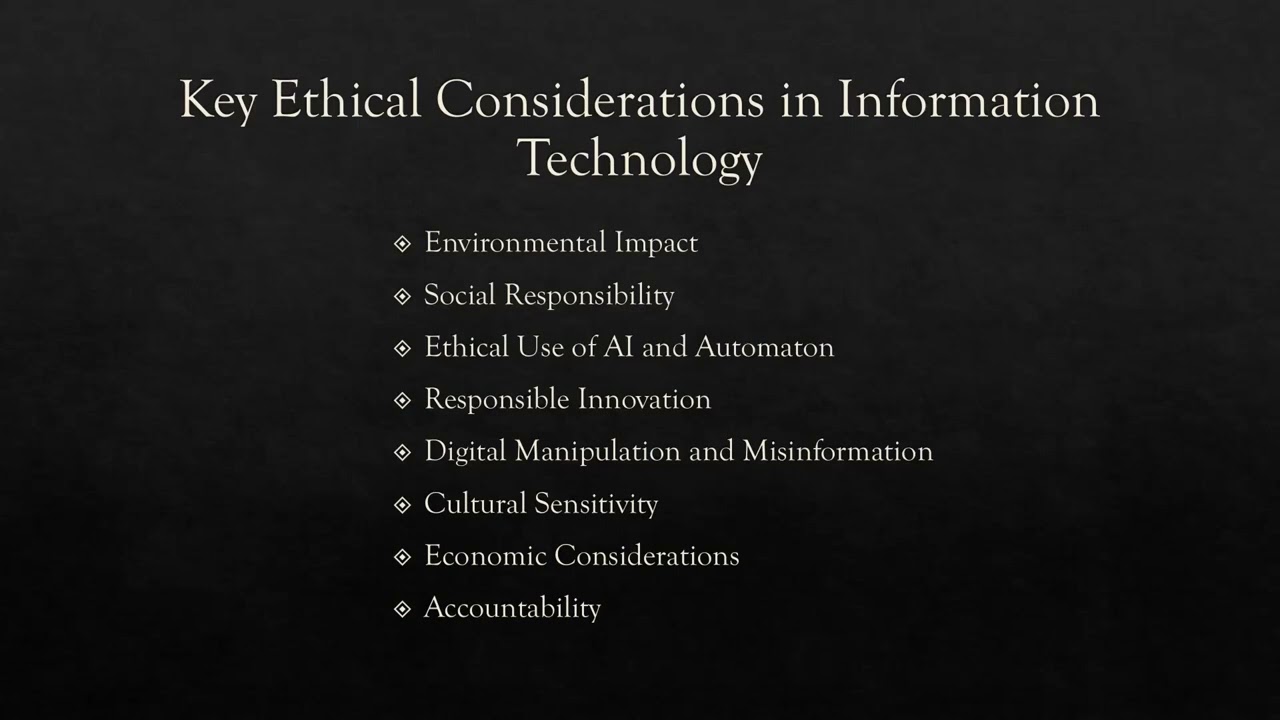
The Ethical Impacts of Technology
Technology shapes how people communicate, work, learn, receive medical care, and participate in public life. From smartphones and social media to artificial intelligence and automated systems, new tools can solve problems and create opportunities. They can also raise difficult questions about privacy, fairness, safety, and who benefits from progress. Understanding the ethical impacts of technology means considering not only what a tool can do, but also how it affects people and society.
Privacy and Personal Data
Many digital services collect information about their users, including location, browsing habits, purchases, and personal preferences. This data can help make services more useful, but it can also be misused, exposed in a data breach, or shared without meaningful consent. People may not know what is being collected or how long it will be kept.
Ethical technology practices call for clear explanations, meaningful choices, strong security, and limits on unnecessary data collection. Organizations should treat personal information with care and give people practical ways to access, correct, or delete it where appropriate.
Bias and Fairness
Technology is often described as objective, but the systems behind it are created and operated by people. Algorithms can reflect bias in their data, design, or use. For example, an automated system used in hiring, lending, health care, or law enforcement may produce unfair results if it overlooks the needs or experiences of certain groups.
Reducing these risks requires careful testing, representative data, ongoing monitoring, and human oversight. Organizations should be able to explain how important automated decisions are made and provide a way to challenge decisions that may be wrong or unfair.
Access and the Digital Divide
Technology can expand access to education, services, and economic opportunities. However, those benefits are not shared equally. Reliable internet, modern devices, digital skills, and accessible design remain out of reach for many people. Older adults, people with disabilities, rural communities, and lower-income households may face additional barriers.
Ethical development includes making products accessible, affordable, and usable by people with different abilities and circumstances. Public investment, digital education, and inclusive design can help ensure that technology does not deepen existing inequalities.
Work, Automation, and Economic Change
Automation can make work safer and more efficient, and it can free people from repetitive tasks. At the same time, it may replace some jobs, change working conditions, or shift economic power toward companies that control advanced tools and data. Workers may be expected to adapt quickly without receiving enough support.
Responsible adoption means considering how changes affect employees and communities. Employers, governments, and educators can help by providing training, supporting workers through transitions, and ensuring that productivity gains are shared fairly.
Safety, Misinformation, and Well-Being
Digital platforms make it easy to share information and connect with others, but they can also spread false or misleading claims at great speed. Online systems may expose people to harassment, scams, harmful content, or manipulative design. Heavy use can also affect sleep, attention, and mental well-being, especially when products are designed to encourage constant engagement.
Technology companies have a responsibility to assess foreseeable harms and provide useful safeguards. Users also benefit from media literacy, privacy controls, and tools for managing screen time. No single measure can solve every problem, so effective responses often involve cooperation among companies, educators, families, researchers, and policymakers.
Environmental Costs
Digital technology depends on physical resources. Devices require materials and energy to manufacture, ship, power, and eventually dispose of. Data centers and networks also consume electricity. As demand for digital services grows, so does the importance of reducing emissions, extending product life, repairing devices, and responsibly recycling electronic waste.
Designing for durability and energy efficiency can lessen environmental impacts. Consumers, manufacturers, and governments all play a role in encouraging more sustainable production and use.
Accountability and Human Choice
Ethical technology is not only a matter of individual behavior. The organizations that design, deploy, and profit from technology make important choices about what to build, what data to collect, and what risks to accept. Those decisions should be transparent and subject to appropriate oversight, particularly when systems influence access to essential services or affect people’s rights.
Human judgment remains important. Automated tools can support decisions, but they should not automatically replace careful review in situations where mistakes could have serious consequences. Clear responsibility is essential: people should know who to contact when a system causes harm and how concerns will be addressed.
Building Technology That Serves People
The ethical impacts of technology depend on how it is designed, governed, and used. Innovation can improve lives, but progress should not be measured by speed or convenience alone. It should also be measured by safety, fairness, accessibility, privacy, and respect for human dignity.
By asking who benefits, who may be harmed, and who has a voice in the process, society can make more thoughtful choices about technology. The goal is not to reject innovation, but to guide it so that its benefits are widely shared and its risks are responsibly managed.
Exploring the Ethical Impacts of Technology: Key Questions and Issues
- What are the ethical impacts of technology?
- What are ethical impacts?
- What is the impact of ethics of technology in our society?
- What is an ethical use of technology?
- What are the three main ethical issues in information technology?
- What are some examples of ethics in technology?
- What is an example of an ethical impact?
What are the ethical impacts of technology?
The ethical impacts of technology are the ways digital tools and systems affect people’s rights, well-being, and opportunities. They include concerns such as privacy and data security, bias in automated decisions, unequal access, job displacement, online misinformation, and environmental costs. Technology can also improve communication, health care, education, and productivity, so its effects are not inherently good or bad. Responsible development means considering who benefits, who may be harmed, and how risks can be reduced through transparency, fairness, accessibility, and accountability.
What are ethical impacts?
Ethical impacts are the effects a decision, product, or action has on people’s rights, well-being, opportunities, and treatment. In technology, they include questions about privacy, fairness, safety, accessibility, accountability, and how benefits and harms are shared. Considering ethical impacts helps ensure that technology serves people responsibly and does not cause preventable harm.
What is the impact of ethics of technology in our society?
The ethics of technology shapes how new tools affect people and communities. It encourages developers, businesses, and governments to consider privacy, fairness, safety, accessibility, and accountability when designing and using technology. When ethical principles guide decisions, technology can expand opportunity and improve everyday life while reducing risks such as discrimination, surveillance, misinformation, and unequal access. In this way, technology ethics helps ensure that innovation serves society as a whole and respects people’s rights and dignity.
What is an ethical use of technology?
An ethical use of technology respects people’s rights, privacy, safety, and dignity while aiming to create meaningful benefits. It involves using tools responsibly, collecting only necessary data with informed consent, checking for bias and harmful effects, protecting information, and making important automated decisions transparent and open to human review. In short, technology is used ethically when it helps people without unfairly exploiting, excluding, or harming them.
What are the three main ethical issues in information technology?
Three major ethical issues in information technology are privacy, security, and fairness. Privacy concerns how organizations collect, use, and share personal data, while security focuses on protecting that data and digital systems from misuse, breaches, and attacks. Fairness involves preventing technology—especially automated systems—from discriminating against people or excluding groups from important services and opportunities. Addressing these issues requires transparent practices, strong safeguards, and ongoing oversight.
What are some examples of ethics in technology?
Examples of ethics in technology include protecting users’ personal data, designing accessible products, testing algorithms for bias, clearly explaining how automated decisions are made, and securing systems against cyberattacks. Ethical practice also means being transparent about how technology works, getting meaningful consent before collecting data, considering the effects of automation on workers, and reducing environmental harm from manufacturing and electronic waste.
What is an example of an ethical impact?
An example of an ethical impact is the use of facial recognition in public spaces. It may help identify missing people or improve security, but it can also collect biometric data without people’s consent, threaten privacy, and lead to inaccurate or biased identification. This raises questions about how the technology should be used, who can access the data, and what safeguards are needed to protect people’s rights.