
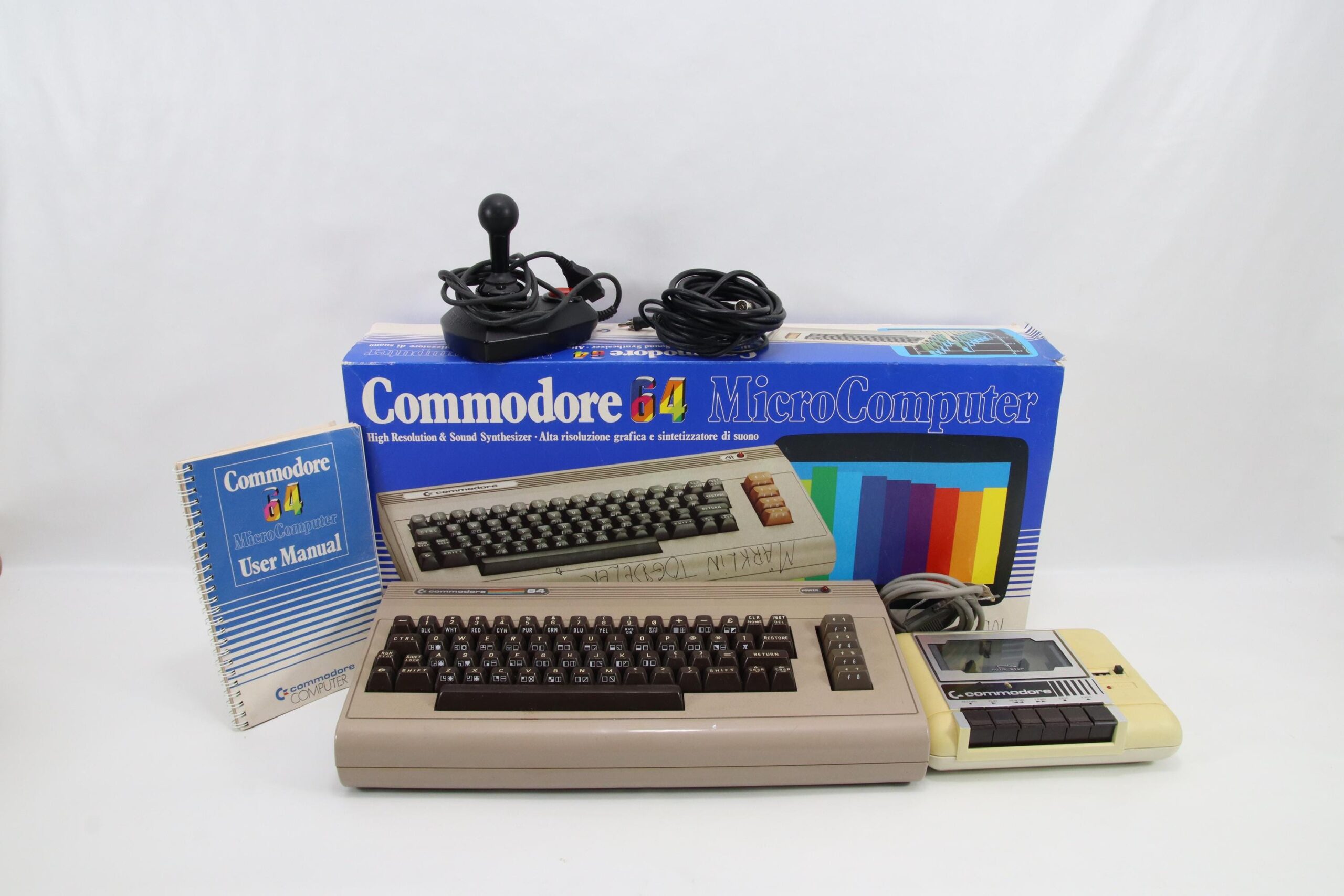
The Commodore 64: A Classic Computer that Still Works Today
The Commodore 64, introduced in 1982, is one of the most iconic and beloved home computers of all time. Despite being over three decades old, many Commodore 64 machines are still operational today, thanks to their robust design and enduring popularity among retro computing enthusiasts.
One of the key reasons for the longevity of the Commodore 64 is its sturdy construction. The machine was built to last, with a durable keyboard, solid casing, and reliable internal components. This quality craftsmanship has allowed many Commodore 64 computers to remain in working condition long after other computers of the era have succumbed to age and obsolescence.
Another factor contributing to the continued functionality of the Commodore 64 is its simplicity. The machine’s architecture is relatively straightforward, making it easier for enthusiasts to troubleshoot and repair any issues that may arise. Additionally, a thriving community of Commodore 64 fans has developed over the years, providing support, resources, and even new hardware and software developments for these classic machines.
For those who still own a working Commodore 64 or are looking to acquire one, there is a wealth of software available to explore. From classic games like “The Bard’s Tale” and “Impossible Mission” to productivity software like word processors and programming tools, the Commodore 64 offers a diverse range of applications that showcase its versatility and enduring appeal.
In conclusion, the working Commodore 64 stands as a testament to both its innovative design and enduring popularity among retro computing enthusiasts. Whether used for gaming, programming, or simply as a nostalgic trip down memory lane, the Commodore 64 continues to captivate users young and old with its timeless charm.
7 Reasons to Love Working with the Iconic Commodore 64
- Iconic and beloved home computer
- Sturdy construction for longevity
- Simple architecture for easy troubleshooting
- Thriving community support
- Diverse range of software available
- Versatile applications for gaming and productivity
- Timeless charm and nostalgic appeal
Challenges of Using a Commodore 64 in the Modern Era: 7 Key Limitations
- Limited graphics and sound capabilities compared to modern computers
- Slow processing speed by today’s standards
- Limited memory capacity for storing data and programs
- Obsolete storage media such as floppy disks and cassette tapes
- Compatibility issues with modern peripherals and devices
- Lack of built-in networking capabilities for online connectivity
- Reliance on outdated programming languages and development tools
Iconic and beloved home computer
The Commodore 64’s status as an iconic and beloved home computer is a testament to its enduring appeal and cultural significance. Introduced in 1982, the Commodore 64 quickly captured the hearts and minds of users around the world with its groundbreaking capabilities, user-friendly design, and vast library of software. Its distinctive appearance, including the signature beige casing and full-sized keyboard, has become instantly recognizable to generations of computer enthusiasts. The Commodore 64’s legacy as a pioneering home computer continues to resonate today, serving as a touchstone for retro computing fans and a symbol of innovation in the history of personal computing.
Sturdy construction for longevity
The sturdy construction of the Commodore 64 is a key factor in its longevity and continued functionality. Built with durable materials and a robust design, the Commodore 64 has proven to withstand the test of time, remaining operational even decades after its initial release. This durability not only ensures that existing machines continue to work reliably but also contributes to the overall appeal of the Commodore 64 among retro computing enthusiasts seeking a reliable and long-lasting vintage computing experience.
Simple architecture for easy troubleshooting
The simple architecture of the working Commodore 64 is a significant advantage that facilitates easy troubleshooting for users. With its straightforward design and components, identifying and resolving issues with the Commodore 64 is more accessible compared to more complex modern computers. This simplicity allows enthusiasts to diagnose problems efficiently, whether it involves hardware malfunctions or software errors, making the process of maintaining and repairing the Commodore 64 a user-friendly experience.
Thriving community support
The thriving community support surrounding the working Commodore 64 is a testament to the enduring legacy and appeal of this classic computer. Enthusiasts and fans have come together to share knowledge, resources, and passion for the Commodore 64, creating a vibrant ecosystem that fosters learning, creativity, and collaboration. Whether providing technical assistance, sharing software and hardware developments, or simply celebrating the nostalgia of the Commodore 64, this dedicated community ensures that these iconic machines continue to be enjoyed and preserved for generations to come.
Diverse range of software available
The diverse range of software available for the working Commodore 64 is a significant advantage that continues to attract users to this classic computer. From engaging games that defined a generation to practical productivity tools, the Commodore 64 offers a rich library of software that caters to a wide variety of interests and needs. Whether users are looking to relive nostalgic gaming experiences or explore the capabilities of vintage programming software, the Commodore 64’s extensive software ecosystem ensures that there is something for everyone to enjoy on this iconic machine.
Versatile applications for gaming and productivity
The working Commodore 64 offers a unique advantage in its versatility, providing a wide range of applications for both gaming and productivity purposes. With a vast library of classic games that have stood the test of time, as well as productivity software such as word processors and programming tools, the Commodore 64 caters to diverse interests and needs. Whether users seek entertainment through retro gaming experiences or aim to enhance their productivity with practical software solutions, the Commodore 64’s versatility ensures that it remains a valuable and multifunctional tool for enthusiasts and users alike.
Timeless charm and nostalgic appeal
The timeless charm and nostalgic appeal of the working Commodore 64 evoke a sense of fond memories and retro computing nostalgia for enthusiasts of all ages. The distinctive design, classic games, and unique sound capabilities of the Commodore 64 transport users back to a simpler time in computing history, creating a special connection to the past that is both heartwarming and enduring. Whether reliving childhood memories or experiencing the magic of vintage technology for the first time, the Commodore 64’s timeless charm continues to captivate and inspire a dedicated community of fans who appreciate its historic significance and enduring legacy in the world of computing.
Limited graphics and sound capabilities compared to modern computers
The main drawback of the working Commodore 64 is its limited graphics and sound capabilities when compared to modern computers. Due to the technological constraints of its time, the Commodore 64’s graphics and sound capabilities may seem primitive by today’s standards. The machine’s graphics resolution is relatively low, resulting in blocky visuals and limited color palettes. Similarly, the sound produced by the Commodore 64’s SID chip, while iconic and distinctive, lacks the complexity and fidelity of modern audio output. Despite these limitations, many enthusiasts appreciate the unique aesthetic and nostalgic charm of the Commodore 64’s graphics and sound capabilities, viewing them as integral parts of its vintage appeal.
Slow processing speed by today’s standards
One notable drawback of the working Commodore 64 is its slow processing speed when compared to modern computers. With a clock speed of just 1 MHz, the Commodore 64’s performance may feel sluggish and limited by today’s standards, especially when running complex software or multitasking. Tasks that modern computers can perform in seconds may take significantly longer on the Commodore 64, highlighting the technological advancements that have occurred since its release in 1982. Despite this limitation, many enthusiasts appreciate the nostalgic experience and unique challenges posed by working with a slower system like the Commodore 64.
Limited memory capacity for storing data and programs
One drawback of the working Commodore 64 is its limited memory capacity for storing data and programs. With only 64 kilobytes of RAM, users often face challenges when trying to run more complex software or store large amounts of data. This limitation can be particularly frustrating for those looking to use the Commodore 64 for tasks that require significant memory resources, such as graphic design or advanced programming. As a result, users may need to carefully manage their memory usage and make compromises in order to work within the constraints of the system.
Obsolete storage media such as floppy disks and cassette tapes
One significant drawback of working with a Commodore 64 today is the reliance on obsolete storage media such as floppy disks and cassette tapes. These outdated storage formats present challenges in terms of data preservation and accessibility, as they are prone to degradation over time and may require specialized equipment to read and transfer data. Additionally, the limited storage capacity of floppy disks and cassette tapes can be restrictive when dealing with modern file sizes and software applications, making it difficult to fully utilize the capabilities of the Commodore 64 in today’s digital landscape.
Compatibility issues with modern peripherals and devices
One significant drawback of using a working Commodore 64 today is the compatibility issues it faces with modern peripherals and devices. Due to its age and outdated technology, the Commodore 64 may struggle to connect with contemporary hardware such as printers, monitors, and storage devices. This limitation can hinder the user experience and make it challenging to fully integrate the Commodore 64 into a modern computing setup. Despite its enduring appeal and nostalgic value, the compatibility issues with modern peripherals serve as a reminder of the technological advancements that have taken place since the heyday of this classic computer.
Lack of built-in networking capabilities for online connectivity
One notable drawback of the working Commodore 64 is its lack of built-in networking capabilities, which limits its ability to connect to online services and networks. Unlike modern computers that come equipped with Ethernet ports or Wi-Fi connectivity, the Commodore 64 relies primarily on physical media such as floppy disks or cartridges for data storage and transfer. This limitation hinders users from accessing online content, multiplayer gaming, or software updates that require internet connectivity. While there are aftermarket solutions available to add networking capabilities to the Commodore 64, the absence of built-in networking out of the box remains a significant con for those looking to engage in online activities with this classic machine.
Reliance on outdated programming languages and development tools
One significant drawback of working with the Commodore 64 is its reliance on outdated programming languages and development tools. While the machine was revolutionary for its time, the programming languages used to develop software for the Commodore 64, such as BASIC and assembly language, are considered obsolete by modern standards. This can present a challenge for developers looking to create new software or modify existing programs for the Commodore 64, as they must navigate the limitations of these outdated tools. Additionally, compatibility issues may arise when attempting to integrate modern technologies with the Commodore 64, further emphasizing the conundrum of working with a computer system that is rooted in a bygone era of computing.