
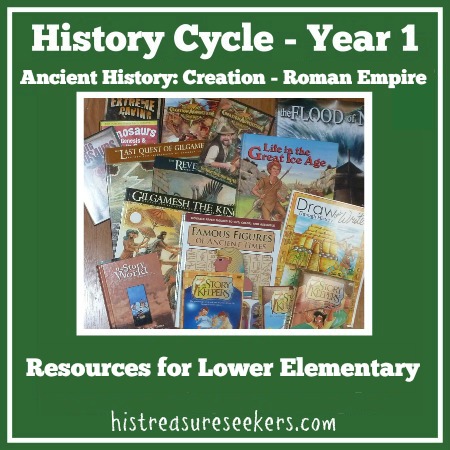
History Resources for Students
Studying history is a fascinating journey that allows students to explore the past and gain valuable insights into the present. Whether you are a high school student working on a research project or a college student delving deep into a specific historical period, having access to reliable history resources is essential.
Online Archives and Libraries
Online archives and libraries are treasure troves of historical documents, photographs, manuscripts, and other primary sources. Websites such as the Library of Congress, National Archives, and Digital Public Library of America offer vast collections that cover a wide range of historical topics.
Academic Journals and Publications
Academic journals and publications provide in-depth analysis and scholarly research on various historical subjects. Platforms like JSTOR, Project MUSE, and Google Scholar offer access to peer-reviewed articles that can enhance your understanding of historical events and trends.
Museums and Historical Sites
Visiting museums and historical sites can offer a hands-on learning experience that brings history to life. Many museums have online exhibits and virtual tours that allow students to explore artifacts and learn about different periods in history from the comfort of their homes.
Online Courses and Educational Platforms
Online courses and educational platforms provide opportunities for students to deepen their knowledge of history through structured lessons and interactive activities. Websites like Coursera, edX, and Khan Academy offer history courses taught by renowned professors from around the world.
Documentaries and Podcasts
Documentaries and podcasts are engaging mediums that present historical information in an accessible format. Platforms like PBS documentaries, History Channel documentaries, BBC podcasts, and NPR podcasts feature compelling stories that can captivate students’ interest in history.
By utilizing these history resources, students can enrich their learning experience, develop critical thinking skills, and cultivate a deeper appreciation for the complexities of the past. Exploring diverse sources of information can help students gain a well-rounded perspective on historical events and foster a lifelong passion for studying history.
Top 8 History Resources for Students: FAQs on Archives, Courses, and More
- 1. What are the best online archives and libraries for history students?
- 2. How can I access primary sources for my history research?
- 3. Which academic journals are recommended for historical studies?
- 4. What are some virtual museum tours that students can explore?
- 5. Are there any free online history courses available for students?
- 6. Where can I find reliable documentaries on historical topics?
- 7. How do podcasts contribute to history education for students?
- 8. What are the benefits of using multiple history resources for student research?
1. What are the best online archives and libraries for history students?
For history students seeking the best online archives and libraries, several reputable sources stand out as valuable resources. The Library of Congress offers an extensive collection of historical documents, photographs, and manuscripts that cover a wide range of topics. The National Archives provides access to primary sources related to U.S. history, while the Digital Public Library of America offers a vast array of digital resources from libraries, museums, and archives across the country. These online repositories provide history students with valuable materials for research, study, and exploration of various historical subjects.
2. How can I access primary sources for my history research?
Accessing primary sources for history research is essential for gaining firsthand insights into historical events and perspectives. To access primary sources, students can utilize online archives, libraries, and databases that house a wealth of historical documents, letters, photographs, diaries, and other original materials. Institutions such as the Library of Congress, National Archives, and digital repositories like Europeana provide easy access to a wide range of primary sources. Additionally, reaching out to local historical societies, museums, and universities can also lead to discovering valuable primary sources for research projects. By exploring these avenues and carefully evaluating primary sources, students can enrich their historical research and develop a deeper understanding of the past.
3. Which academic journals are recommended for historical studies?
When seeking academic journals for historical studies, several reputable publications are highly recommended for students. Journals such as the Journal of American History, The American Historical Review, and History Today are esteemed sources that offer scholarly articles and research on a wide range of historical topics. These journals provide in-depth analysis, critical perspectives, and valuable insights into various periods of history, making them essential resources for students looking to deepen their understanding of historical events and trends. Students can benefit greatly from exploring these academic journals to enhance their research and broaden their knowledge in the field of history.
4. What are some virtual museum tours that students can explore?
There are several virtual museum tours that students can explore to enhance their understanding of history and culture. Institutions like the Louvre in Paris, the British Museum in London, the Smithsonian National Museum of Natural History in Washington, D.C., and the Vatican Museums in Rome offer immersive online experiences that allow students to virtually wander through galleries, view artifacts up close, and learn about significant historical events and artistic masterpieces. These virtual tours provide a unique opportunity for students to engage with world-class collections from anywhere in the world, expanding their knowledge and appreciation of diverse cultures and historical periods.
5. Are there any free online history courses available for students?
Yes, there are numerous free online history courses available for students seeking to expand their knowledge of historical events and periods. Many reputable educational platforms offer a wide range of history courses taught by experts in the field, allowing students to explore diverse topics at their own pace and convenience. Websites like Coursera, Khan Academy, and Open Culture provide access to high-quality course materials, lectures, and resources without any cost. These free online history courses cover various subjects, from ancient civilizations to modern world history, making it easy for students to engage with the past and deepen their understanding of key historical concepts.
6. Where can I find reliable documentaries on historical topics?
When seeking reliable documentaries on historical topics, students can explore reputable platforms such as PBS documentaries, History Channel documentaries, BBC documentaries, and streaming services like Netflix and Amazon Prime Video. These sources offer a wide range of documentaries that cover various historical events and periods, presented by experts in the field. Additionally, educational websites like Khan Academy and Coursera often include documentary-style videos as part of their history courses, providing students with informative and engaging content to deepen their understanding of historical topics. By utilizing these resources, students can access high-quality documentaries that offer valuable insights into the past.
7. How do podcasts contribute to history education for students?
Podcasts play a significant role in history education for students by offering a dynamic and engaging way to explore historical topics. Through podcasts, students can listen to expert analysis, firsthand accounts, and captivating storytelling that bring history to life in a way that traditional textbooks may not. Podcasts provide access to diverse perspectives and voices, allowing students to gain a deeper understanding of historical events and contexts. By listening to history podcasts, students can enhance their critical thinking skills, improve their listening comprehension, and develop a broader appreciation for the complexities of the past. Additionally, podcasts offer flexibility and convenience, allowing students to learn about history while on the go or during their free time.
8. What are the benefits of using multiple history resources for student research?
Utilizing multiple history resources for student research offers a myriad of benefits. By drawing information from a variety of sources such as online archives, academic journals, museums, and documentaries, students can gain a more comprehensive understanding of historical events and perspectives. Diverse resources provide different viewpoints, interpretations, and evidence that can enrich research findings and support critical analysis. Additionally, exploring multiple sources helps students develop strong research skills, enhance their ability to evaluate information critically, and cultivate a deeper appreciation for the complexities of history. Overall, leveraging a range of history resources not only enhances the quality of student research but also fosters a more nuanced and well-rounded understanding of the past.