
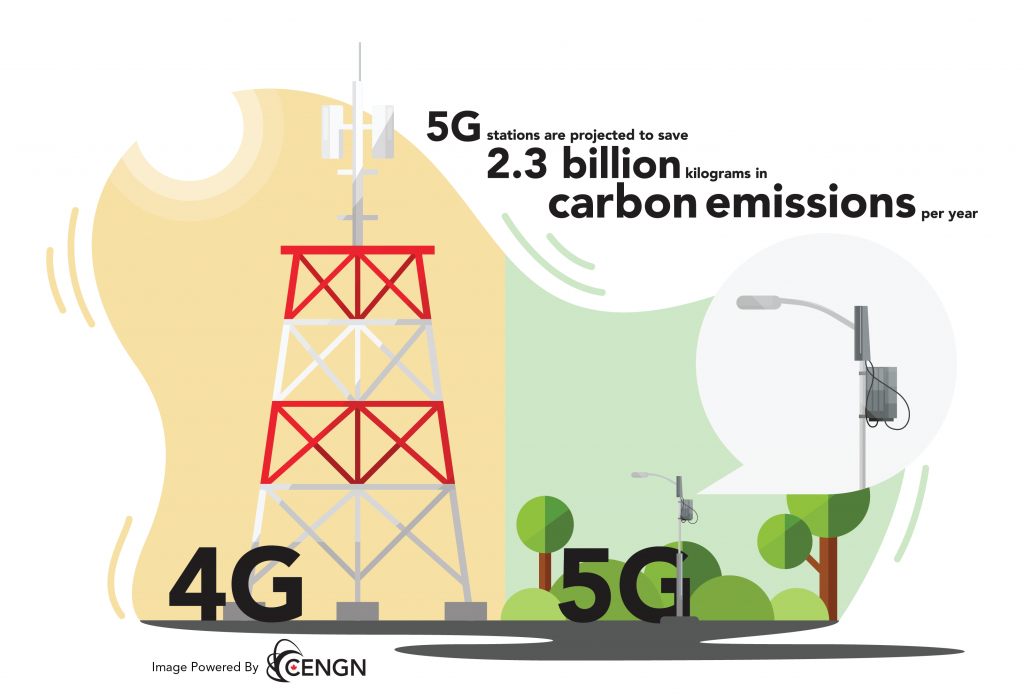
Is 5G Bad for the Environment?
5G can bring faster connections and support new digital services, but building and operating the networks also has environmental costs. The impact depends on how the technology is deployed, how much people use it, and whether its benefits help reduce emissions elsewhere. In short, 5G is not automatically good or bad for the environment: its effects come from the equipment, energy, materials, and behavior associated with it.
More network equipment can mean more energy use
5G networks require antennas, radios, data centers, and other infrastructure. In some areas, providers add more sites or equipment to deliver strong coverage and capacity. Those systems use electricity, and their environmental footprint depends partly on how that electricity is generated.
Newer network equipment can handle data more efficiently than older systems in some circumstances. But efficiency per unit of data does not guarantee lower overall energy use. If faster, more available service encourages people and businesses to transmit and store much more data, total network demand may rise. This is sometimes called the rebound effect: efficiency gains can be offset by increased use.
Manufacturing has a footprint, too
Network equipment and 5G-capable devices require raw materials and energy to manufacture. Mining, refining, and processing materials can cause pollution, consume water, disturb habitats, and contribute to greenhouse gas emissions. Producing phones, antennas, servers, and other electronics also creates emissions before the equipment is ever switched on.
Replacing a working phone or other device just to gain access to 5G can add to this footprint. The environmental cost of an upgrade includes manufacturing, shipping, and eventually disposing of the old device. Keeping electronics in use longer and repairing them when practical can reduce the need for new manufacturing.
Electronic waste is a concern
As networks and devices are upgraded, older equipment may be retired. If electronics are not reused, refurbished, or recycled responsibly, they can contribute to electronic waste. Some components contain materials that are valuable to recover, while others require careful handling to avoid releasing harmful substances.
Network operators and manufacturers can help by designing equipment that lasts longer, is easier to repair, and can be reused or recycled. Consumers can help by choosing durable devices, using trade-in or recycling programs, and avoiding unnecessary replacements.
Could 5G reduce emissions?
Digital networks can sometimes help reduce environmental impacts. For example, connectivity may support smarter management of electricity grids, buildings, transportation, and industrial processes. Remote meetings can replace some travel, and sensors can help organizations use energy or materials more efficiently.
These potential benefits are not automatic. They depend on how the technology is used and whether it genuinely replaces more resource-intensive activities. A connected service that adds convenience without reducing other consumption may not deliver a net environmental benefit.
How to limit the environmental impact
- Power networks with cleaner electricity: Renewable energy and efficient operations can reduce emissions from network use.
- Improve equipment efficiency: Operators can optimize network capacity and switch off or reduce power to equipment when demand is low, where technically appropriate.
- Extend device lifespans: Buying only when necessary, repairing devices, and supporting reuse can reduce manufacturing demand.
- Design for reuse and recycling: Manufacturers and operators can make equipment easier to maintain, upgrade, and responsibly dispose of.
- Measure the full lifecycle: Evaluations should account for manufacturing, operation, upgrades, and end-of-life—not just electricity use.
The bottom line
5G has real environmental costs, including electricity use, equipment manufacturing, demand for raw materials, and electronic waste. It may also enable services that reduce emissions in other areas. Whether the overall impact is positive or negative depends on the scale of network deployment, the energy sources used, the lifetime of devices, and whether digital services replace or simply add to existing consumption.
The most useful question is not whether 5G is inherently “bad,” but how its infrastructure and devices are produced, powered, used, and retired—and whether their benefits justify their environmental cost.
5 Tips to Reduce the Environmental Impact of 5G
- 5G can use more energy when networks and data traffic grow.
- Choose energy-efficient devices and keep them longer.
- Use Wi‑Fi when practical to reduce mobile data use.
- Recycle old phones through certified e-waste programs.
- Support network operators that use renewable energy.
5G can use more energy when networks and data traffic grow.
As 5G networks expand and carry more data, their total energy use can increase. Newer equipment may transmit data more efficiently, but growing demand can offset those savings as more devices connect and people use data-intensive services. Improving network efficiency and powering equipment with renewable electricity can help reduce this impact.
Choose energy-efficient devices and keep them longer.
Choose energy-efficient devices and keep them for as long as practical to reduce the environmental impact of 5G. Manufacturing smartphones and other connected electronics requires energy and raw materials, so replacing a working device too soon can add unnecessary emissions and electronic waste. When shopping, look for products with strong energy-efficiency ratings, durable designs, and repair options. Protect, maintain, and repair your devices when possible, and recycle them responsibly when they’re no longer useful.
Use Wi‑Fi when practical to reduce mobile data use.
When practical, connect your phone to Wi‑Fi instead of using mobile data. This can reduce the amount of traffic carried over cellular networks, which may help limit energy demand—especially when streaming videos or downloading large files. The environmental benefit depends on how the Wi‑Fi network and internet service are powered, so it won’t eliminate digital devices’ impact, but it’s a simple way to use mobile data more thoughtfully.
Recycle old phones through certified e-waste programs.
Recycle old phones through certified e-waste programs instead of throwing them in the trash or leaving them unused in a drawer. Certified recyclers can safely handle batteries and recover valuable materials for reuse, helping reduce pollution, conserve natural resources, and limit electronic waste. Before recycling, back up your data and erase the phone, and check whether the program accepts accessories such as chargers and cases.
Support network operators that use renewable energy.
Support network operators that use renewable energy to help reduce the greenhouse gas emissions associated with powering 5G infrastructure. Check providers’ sustainability reports or websites for clear information about their energy sources, emissions goals, and progress. Choosing a provider with transparent, measurable commitments can encourage cleaner network operations and greater accountability.