
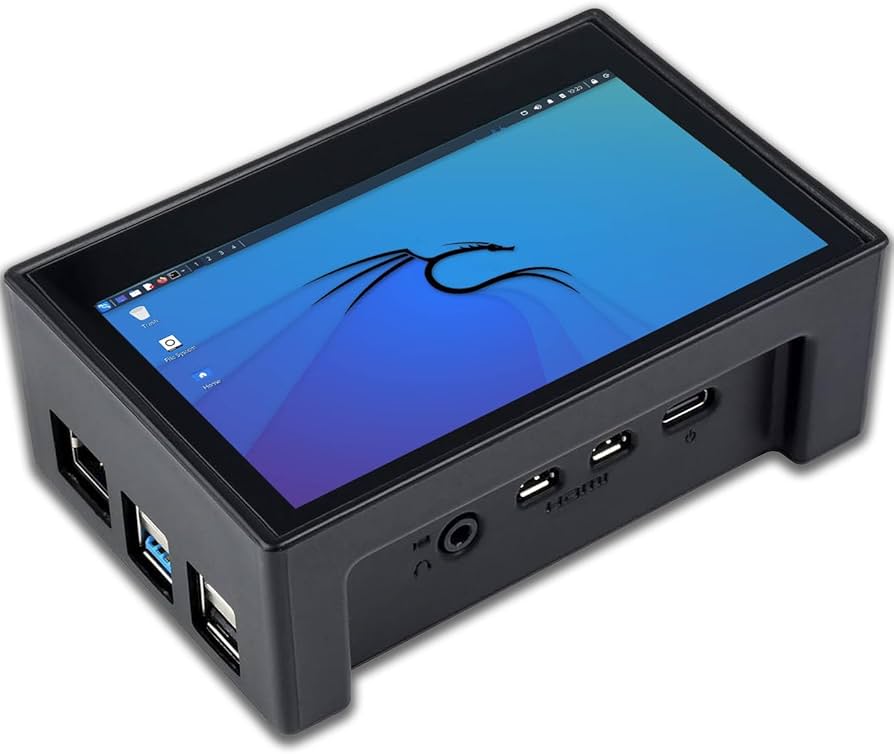
The Power of Raspberry Pi with Linux
Raspberry Pi is a series of small single-board computers developed to promote teaching basic computer science in schools and developing countries. One of the key features that make Raspberry Pi so versatile and powerful is its compatibility with various operating systems, including Linux.
Linux is an open-source operating system that provides a stable and secure platform for running various applications on Raspberry Pi. With Linux, users can customize their Raspberry Pi to suit their specific needs, whether it’s setting up a media center, a web server, or a home automation system.
One of the most popular Linux distributions for Raspberry Pi is Raspbian, which is based on Debian and optimized for the hardware of the Raspberry Pi. Raspbian comes with a user-friendly interface and a wide range of pre-installed software, making it easy for beginners to get started with their projects.
Advanced users can explore other Linux distributions like Ubuntu, Fedora, or Arch Linux to take full advantage of the capabilities of Raspberry Pi. These distributions offer more flexibility and customization options for users who want to push the boundaries of what they can achieve with their Raspberry Pi.
Whether you’re a beginner looking to learn about computing or an experienced developer seeking a versatile platform for your projects, combining Raspberry Pi with Linux opens up endless possibilities. The affordability and accessibility of Raspberry Pi make it an ideal choice for anyone interested in exploring the world of computing and electronics.
Top 5 Benefits of Using Raspberry Pi Linux: Open-Source, Stability, Security, Flexibility, and Community Support
Challenges of Using Raspberry Pi Linux: Processing Power, Software Compatibility, and User-Friendliness
- Limited processing power compared to traditional desktop computers
- Some software may not be optimized or compatible with Raspberry Pi’s ARM architecture
- Less user-friendly for beginners unfamiliar with Linux command line interface
Open-source
One of the key advantages of Raspberry Pi Linux is its open-source nature. Raspberry Pi Linux distributions are built on open-source principles, enabling users to customize their systems according to their specific needs and preferences. This openness also fosters a vibrant community of developers and enthusiasts who collaborate to improve and expand the capabilities of Raspberry Pi. The community-driven development model ensures that Raspberry Pi users have access to a wealth of resources, support, and innovative ideas, making it a truly versatile and dynamic platform for all kinds of projects.
Stability
Linux offers a significant advantage to Raspberry Pi users in terms of stability. By providing a stable operating system, Linux ensures consistent and reliable performance for a wide range of projects on the Raspberry Pi platform. This reliability is crucial for users who rely on their Raspberry Pi for tasks that require uninterrupted operation, such as running servers, monitoring systems, or controlling automation processes. With Linux powering the Raspberry Pi, users can have confidence in the stability of their projects and trust that their devices will perform reliably over time.
Security
Linux offers robust security features to protect data and devices when using Raspberry Pi. With built-in security measures such as file permissions, user authentication, and regular software updates, Linux ensures a secure computing environment on the Raspberry Pi platform. This level of security helps users safeguard their sensitive information and prevent unauthorized access, making Raspberry Pi with Linux a reliable choice for projects that prioritize data protection and device security.
Flexibility
The flexibility offered by Linux on Raspberry Pi is a key advantage for users, as it allows them to run a diverse array of applications and services tailored to their specific requirements. Whether setting up a personal media server, creating a home automation system, or developing custom software projects, the versatility of Linux on Raspberry Pi empowers users to explore and utilize the full potential of this compact yet powerful computing platform.
Community Support
The robust community support for Raspberry Pi Linux is a significant advantage for users. The large and active Linux community offers a wealth of resources, tutorials, and forums where Raspberry Pi enthusiasts can seek help, share knowledge, and collaborate on projects. This strong community presence ensures that users have access to the assistance they need to overcome challenges, explore new ideas, and make the most of their Raspberry Pi experience.
Limited processing power compared to traditional desktop computers
One drawback of using Raspberry Pi with Linux is its limited processing power when compared to traditional desktop computers. Due to its compact size and cost-effective design, Raspberry Pi is equipped with a relatively low-powered processor, which may result in slower performance when running resource-intensive applications or tasks. This limitation can impact the overall speed and responsiveness of the system, especially when handling complex computations or multitasking. Users who require high computing power for demanding tasks may find Raspberry Pi’s processing capabilities to be insufficient for their needs, requiring them to consider alternative solutions with more robust hardware specifications.
Some software may not be optimized or compatible with Raspberry Pi’s ARM architecture
One drawback of using Raspberry Pi with Linux is that some software may not be optimized or compatible with the device’s ARM architecture. This limitation can result in certain applications running slower or encountering compatibility issues when installed on a Raspberry Pi. Users may need to find alternative software solutions or workarounds to ensure smooth operation and functionality of their projects on the Raspberry Pi platform.
Less user-friendly for beginners unfamiliar with Linux command line interface
One drawback of using Raspberry Pi with Linux is that it can be less user-friendly for beginners who are unfamiliar with the Linux command line interface. Unlike some other operating systems that offer graphical user interfaces for most tasks, Linux on Raspberry Pi often requires users to interact with the command line to perform various functions. This can be intimidating and challenging for those who are new to Linux and may hinder their ability to fully utilize the capabilities of Raspberry Pi. However, with patience and practice, beginners can gradually become more comfortable with the command line interface and unlock the full potential of their Raspberry Pi projects.