
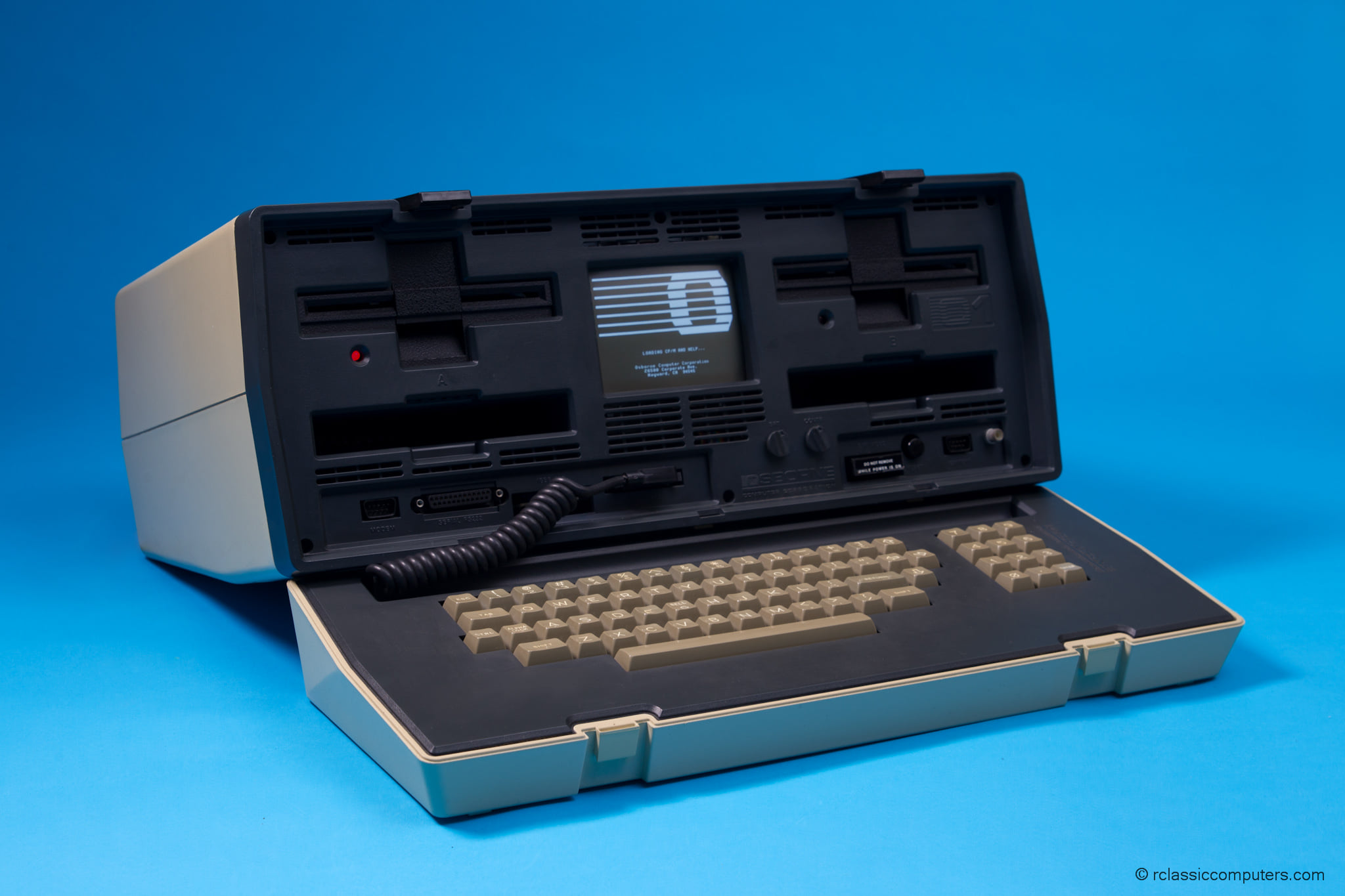
The Osborne 1: A Pioneer in Portable Computing
The Osborne 1, introduced in 1981 by Osborne Computer Corporation, is widely regarded as one of the first true portable computers. This groundbreaking machine was designed to be easily transportable, making it a game-changer for professionals who needed computing power on the go.
Featuring a built-in screen and keyboard, the Osborne 1 was a complete system that revolutionized the concept of portability in computing. Despite its bulky design and heavy weight, it was considered highly portable compared to other computers of its time.
One of the key selling points of the Osborne 1 was its bundled software. It came with a suite of productivity applications, including word processing and spreadsheet programs, making it a versatile tool for business users.
Although the Osborne 1 was not as powerful as contemporary desktop computers, its portability and affordability made it a popular choice among professionals and early adopters. Its success paved the way for future generations of portable computers and laid the foundation for the laptop market we know today.
Despite its relatively short lifespan in the market, the Osborne 1 remains an important milestone in the history of computing. Its innovative design and functionality set new standards for portable computing devices and influenced generations of computer designers and manufacturers.
7 Key Insights into the Osborne 1: A Pioneer in Portable Computing
- The Osborne 1 was one of the first commercially successful portable computers.
- It was released in 1981 by Osborne Computer Corporation.
- The computer weighed 24.5 pounds and had a built-in screen and dual floppy disk drives.
- Osborne 1 ran on the CP/M operating system and had a Zilog Z80 processor.
- Despite its popularity, the Osborne 1’s success was short-lived due to premature announcements of future models.
- It is considered a significant milestone in the history of portable computing.
- Collectors today value well-preserved Osborne 1 units as rare vintage computers.
The Osborne 1 was one of the first commercially successful portable computers.
The Osborne 1 holds a significant place in the history of computing as one of the earliest examples of a commercially successful portable computer. Introduced in 1981, it quickly gained popularity among professionals and business users due to its innovative design and bundled software. Its success not only demonstrated the growing demand for portable computing solutions but also paved the way for future advancements in mobile technology.
It was released in 1981 by Osborne Computer Corporation.
The Osborne 1, released in 1981 by Osborne Computer Corporation, marked a significant milestone in the evolution of portable computing. This pioneering machine set new standards for portability and functionality, laying the foundation for future generations of portable computers.
The computer weighed 24.5 pounds and had a built-in screen and dual floppy disk drives.
The Osborne 1, a pioneering portable computer introduced in 1981, was a heavy machine weighing 24.5 pounds. Despite its weight, it featured a built-in screen and dual floppy disk drives, making it a self-contained and functional computing system. This combination of portability and integrated hardware set the Osborne 1 apart from other computers of its time, catering to professionals who needed computing power on the go.
Osborne 1 ran on the CP/M operating system and had a Zilog Z80 processor.
The Osborne 1, a pioneering portable computer, ran on the CP/M operating system and was powered by a Zilog Z80 processor. This combination of hardware and software made the Osborne 1 a versatile and capable machine for its time, allowing users to run a variety of software applications and perform tasks efficiently. The use of the Zilog Z80 processor, a popular choice in many early personal computers, contributed to the Osborne 1’s performance and functionality, solidifying its place in computing history as an innovative and influential device.
Despite its popularity, the Osborne 1’s success was short-lived due to premature announcements of future models.
Despite its popularity, the Osborne 1’s success was short-lived due to premature announcements of future models. The company’s decision to reveal plans for upcoming models before the Osborne 1 had reached its peak sales led to a significant drop in demand for the existing model. This strategic misstep ultimately contributed to the decline of the Osborne Computer Corporation and marked the end of an era for the pioneering portable computer.
It is considered a significant milestone in the history of portable computing.
The Osborne 1 tip underscores its status as a significant milestone in the history of portable computing. Introduced in 1981, the Osborne 1 set a new standard for portability with its integrated design and bundled software, making it a groundbreaking innovation for professionals needing computing power on the go. This tip highlights the Osborne 1’s enduring legacy as a pioneering device that paved the way for future generations of portable computers and influenced the evolution of the laptop market.
Collectors today value well-preserved Osborne 1 units as rare vintage computers.
Collectors today highly value well-preserved Osborne 1 units as rare vintage computers. These early portable computers hold historical significance and are sought after by enthusiasts looking to own a piece of computing history. The scarcity of pristine Osborne 1 units adds to their allure, making them prized possessions among collectors who appreciate the pioneering technology and design of this iconic machine.