
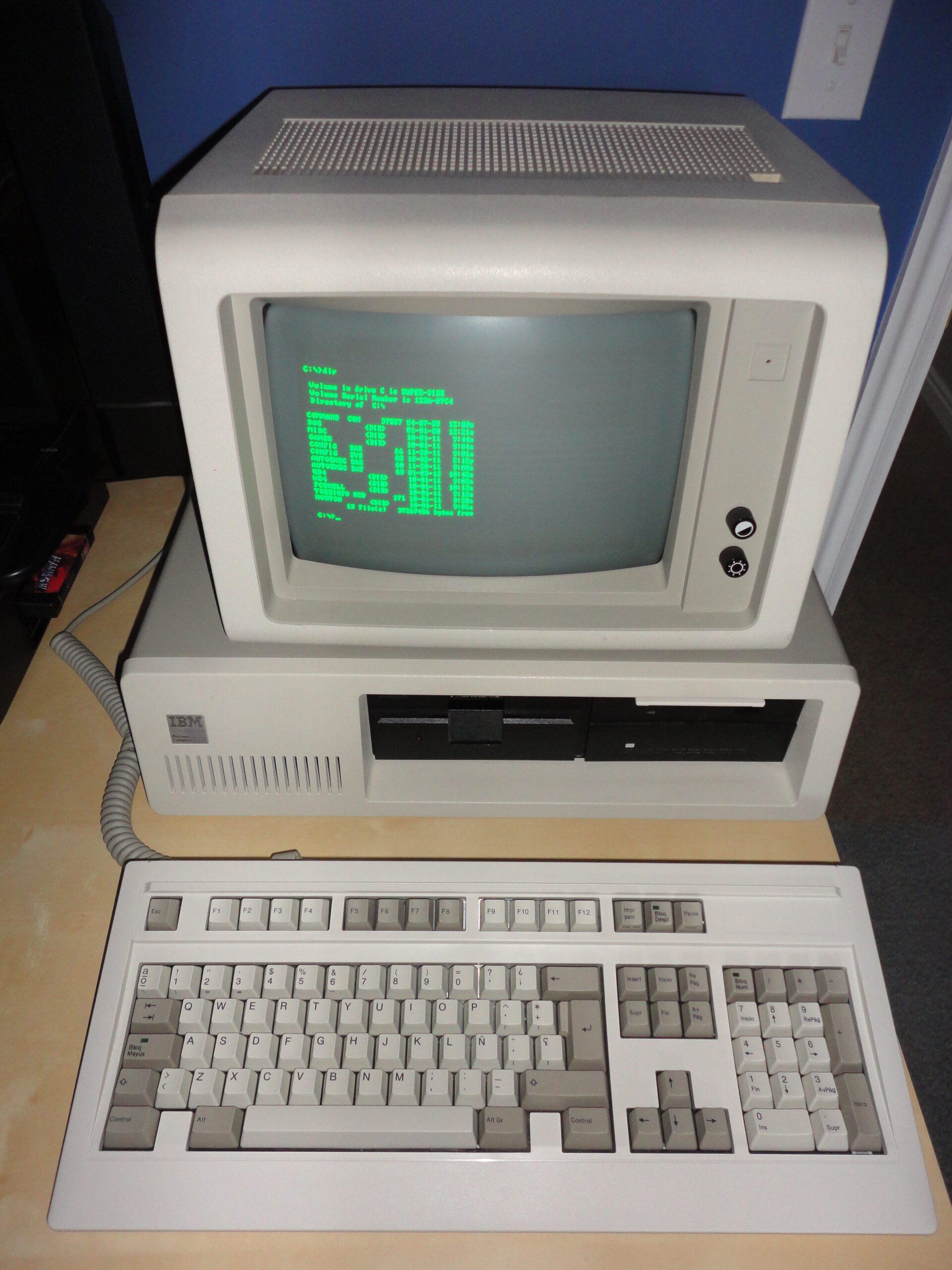
The IBM 5150: A Landmark in Computer History
The IBM 5150, introduced in August 1981, is widely regarded as a landmark in computer history. It was the first personal computer produced by IBM and played a significant role in popularizing personal computing.
Featuring an Intel 8088 processor running at 4.77 MHz and up to 256 KB of RAM, the IBM 5150 was a powerful machine for its time. It came with one or two floppy disk drives and was equipped with the MS-DOS operating system.
One of the key factors that set the IBM 5150 apart was its open architecture, allowing users to easily expand and customize their systems with third-party hardware and software. This approach contributed to the widespread adoption of the IBM PC as a standard platform for business and personal use.
Despite facing competition from other early personal computers, the IBM 5150’s reputation for reliability, compatibility, and performance helped it become a bestseller. Its success paved the way for IBM’s dominance in the PC market for years to come.
Even today, the legacy of the IBM 5150 lives on through its impact on modern computing. It set a precedent for future generations of PCs and established many conventions that are still followed in today’s computers.
In conclusion, the IBM 5150 holds a special place in computer history as a groundbreaking machine that revolutionized the way people interacted with technology. Its influence can still be felt decades later, making it an enduring symbol of innovation and progress in the world of computing.
9 Tips for Understanding the Groundbreaking IBM 5150 Personal Computer
- The IBM 5150 was the first personal computer released by IBM in 1981.
- It featured an Intel 8088 processor running at 4.77 MHz.
- The system came with either 16KB or 64KB of RAM, expandable to 256KB.
- It ran on Microsoft’s MS-DOS operating system.
- The IBM 5150 had five ISA expansion slots for adding additional hardware.
- It supported both cassette tape and floppy disk storage options.
- The system could display text in monochrome and had limited graphics capabilities.
- IBM offered a variety of peripherals for the 5150, including printers and monitors.
- Despite its limitations, the IBM 5150 played a significant role in popularizing personal computing.
The IBM 5150 was the first personal computer released by IBM in 1981.
The IBM 5150 holds the distinction of being the first personal computer ever released by IBM in 1981. This groundbreaking machine marked a significant milestone in the history of computing, setting the stage for the widespread adoption of personal computers in homes and businesses. With its innovative design and open architecture, the IBM 5150 paved the way for a new era of computing, making technology more accessible and empowering users to explore new possibilities in the digital world.
It featured an Intel 8088 processor running at 4.77 MHz.
The IBM 5150, a pioneering personal computer, boasted an Intel 8088 processor clocked at 4.77 MHz. This cutting-edge processor speed provided users with a significant performance boost, enabling faster data processing and smoother multitasking capabilities. The combination of the Intel 8088 processor and the IBM 5150’s open architecture set a new standard for personal computing, laying the foundation for future advancements in technology and shaping the way we interact with computers today.
The system came with either 16KB or 64KB of RAM, expandable to 256KB.
The IBM 5150, a pioneering personal computer released in 1981, offered users the choice of either 16KB or 64KB of RAM upon purchase, with the option to expand memory up to a maximum of 256KB. This flexibility in memory configuration allowed users to tailor the system’s performance to their specific needs, whether for basic tasks or more demanding applications. The expandable RAM capacity was a key feature that contributed to the IBM 5150’s popularity and versatility, cementing its place as a groundbreaking innovation in the history of personal computing.
It ran on Microsoft’s MS-DOS operating system.
The IBM 5150, a pioneering personal computer released in 1981, ran on Microsoft’s MS-DOS operating system. This strategic partnership between IBM and Microsoft marked a significant milestone in the history of computing, as MS-DOS became the standard operating system for IBM PCs and many other compatible systems. The choice of MS-DOS contributed to the widespread adoption of the IBM 5150 and played a crucial role in shaping the future of personal computing.
The IBM 5150 had five ISA expansion slots for adding additional hardware.
The IBM 5150 was equipped with five ISA expansion slots, providing users with the flexibility to enhance their systems by adding additional hardware components. These expansion slots allowed for easy customization and upgrades, enabling users to tailor their IBM 5150 computers to suit their specific needs and preferences. This feature contributed to the popularity of the IBM 5150 as a versatile and expandable personal computer, setting it apart from other systems of its time.
It supported both cassette tape and floppy disk storage options.
The IBM 5150 was a versatile machine that offered users the option to store data using both cassette tapes and floppy disks. This flexibility allowed users to choose the storage method that best suited their needs, whether it was the convenience of floppy disks for faster access to data or the affordability of cassette tapes for more economical storage solutions. This feature highlighted IBM’s commitment to providing users with a range of options to customize their computing experience, making the IBM 5150 a popular choice among early personal computer users.
The system could display text in monochrome and had limited graphics capabilities.
The IBM 5150 system, a pioneering personal computer introduced in 1981, offered users the ability to display text in monochrome and featured limited graphics capabilities. Despite its basic graphical capabilities, the IBM 5150 was celebrated for its groundbreaking design and open architecture, which allowed for easy customization and expansion. This early example of personal computing history laid the foundation for future advancements in graphics technology and solidified IBM’s place as a leader in the burgeoning PC market.
IBM offered a variety of peripherals for the 5150, including printers and monitors.
IBM provided a diverse range of peripherals to complement the IBM 5150, such as printers and monitors. These peripherals were designed to enhance the functionality and usability of the IBM 5150, offering users a comprehensive computing experience. By offering a variety of peripherals, IBM ensured that users could customize their setups according to their specific needs and preferences, further solidifying the IBM 5150’s position as a versatile and adaptable personal computer system.
Despite its limitations, the IBM 5150 played a significant role in popularizing personal computing.
Despite its limitations, the IBM 5150 played a significant role in popularizing personal computing. While it may not have had the most advanced hardware or capabilities compared to later models, its introduction as the first personal computer by IBM marked a crucial turning point in the history of computing. The IBM 5150’s open architecture and compatibility with third-party hardware and software made it accessible and appealing to a wide range of users, contributing to the widespread adoption of personal computers for both business and personal use. Its influence on shaping the future of computing cannot be understated, solidifying its place as a pioneering device in the evolution of technology.