
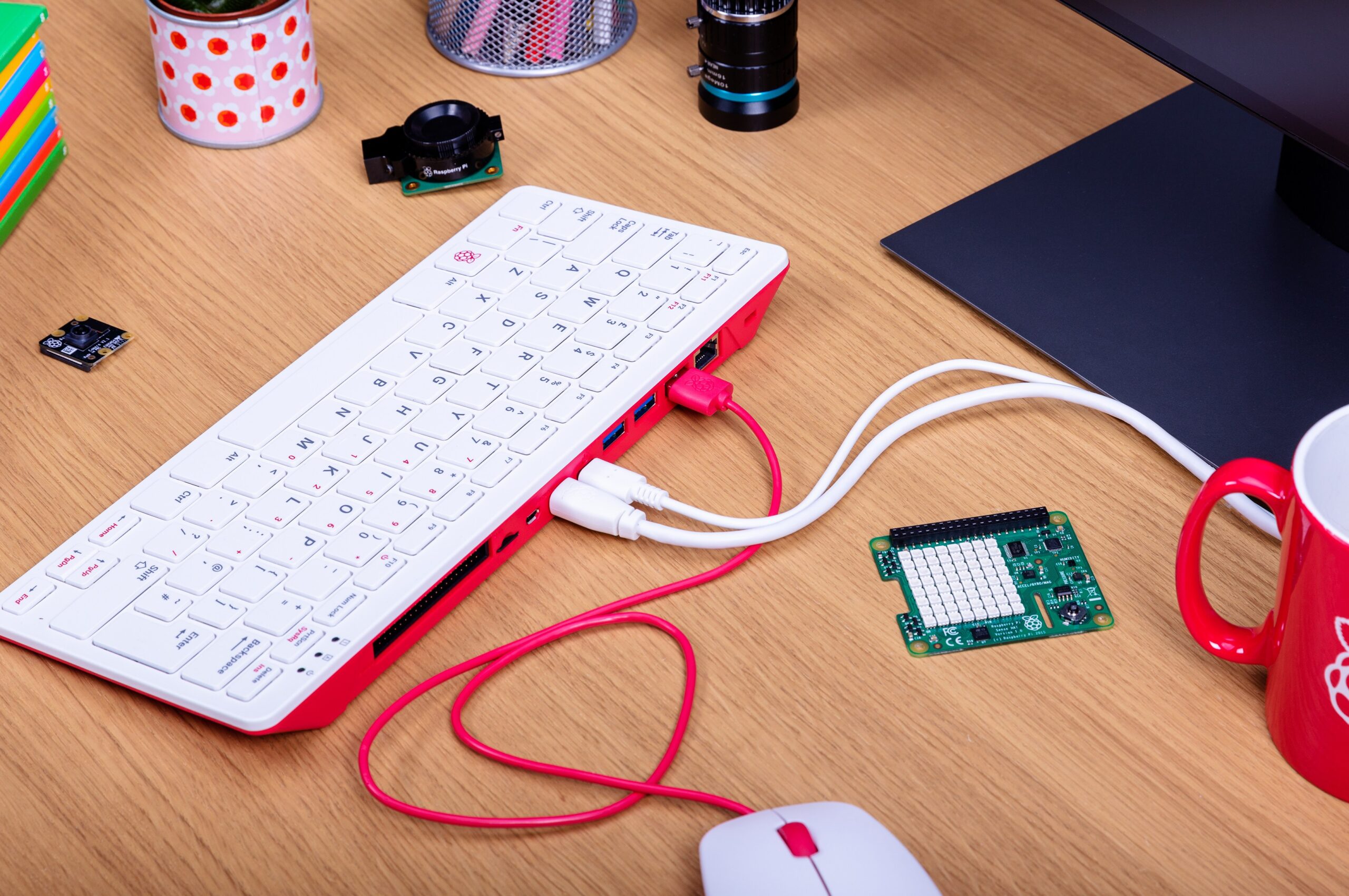
The Raspberry Pi Computer: A Versatile Mini PC
The Raspberry Pi is a series of small single-board computers developed by the Raspberry Pi Foundation in the United Kingdom. Initially designed to promote computer science education in schools, the Raspberry Pi has gained popularity for its versatility and affordability, making it a favorite among hobbyists, tinkerers, and tech enthusiasts.
Despite its compact size, the Raspberry Pi packs a punch with its impressive capabilities. It features various models with different specifications, but all share common features such as HDMI output, USB ports, GPIO pins for hardware interfacing, and support for various operating systems including Linux-based distributions.
One of the key strengths of the Raspberry Pi is its flexibility. It can be used for a wide range of projects including home automation, media centers, retro gaming consoles, robotics, and more. Its low cost and small form factor make it an ideal platform for experimenting with electronics and programming.
Furthermore, the Raspberry Pi has a vibrant community of users who actively contribute to its development by creating software projects, tutorials, and sharing ideas on forums and social media platforms. This community-driven approach has led to a wealth of resources available to help users get started with their Raspberry Pi projects.
Whether you are a beginner looking to learn programming or an experienced developer seeking a versatile platform for your projects, the Raspberry Pi offers endless possibilities. Its combination of affordability, performance, and community support makes it a valuable tool for anyone interested in exploring the world of computing.
5 Essential Tips to Optimize Your Raspberry Pi Experience
- Make sure to properly shut down your Raspberry Pi to avoid corrupting the SD card.
- Regularly update the software on your Raspberry Pi to ensure security and performance improvements.
- Use a reliable power supply to prevent issues related to power fluctuations.
- Explore different projects and tutorials online to make the most out of your Raspberry Pi.
- Consider using heat sinks or a fan if you plan on running resource-intensive tasks for extended periods.
Make sure to properly shut down your Raspberry Pi to avoid corrupting the SD card.
It is crucial to remember to properly shut down your Raspberry Pi to prevent the risk of corrupting the SD card. By initiating a safe shutdown process, you ensure that all data is written to the storage device before powering off the device. This simple step can help maintain the integrity of your Raspberry Pi’s operating system and data, preserving its functionality and preventing potential issues with the SD card in the long run.
Regularly update the software on your Raspberry Pi to ensure security and performance improvements.
To maintain the security and performance of your Raspberry Pi computer, it is essential to regularly update the software. By installing updates provided by the Raspberry Pi Foundation and the community, you can ensure that your system is equipped with the latest security patches and performance enhancements. Keeping your software up to date not only helps protect your device from potential vulnerabilities but also ensures that you have access to new features and improvements that can enhance your overall computing experience. Remember to check for updates periodically and apply them promptly to keep your Raspberry Pi running smoothly and securely.
Use a reliable power supply to prevent issues related to power fluctuations.
When using a Raspberry Pi computer, it is crucial to use a reliable power supply to prevent issues related to power fluctuations. A stable power source is essential for the proper functioning of the Raspberry Pi, as fluctuations in voltage can lead to system crashes, data corruption, or even hardware damage. By investing in a high-quality power supply that meets the recommended specifications for the Raspberry Pi model you are using, you can ensure a smooth and uninterrupted computing experience while safeguarding your device from potential power-related issues.
Explore different projects and tutorials online to make the most out of your Raspberry Pi.
To make the most out of your Raspberry Pi, it is highly recommended to explore a variety of projects and tutorials available online. By delving into different projects and tutorials, you can unlock the full potential of your Raspberry Pi and discover creative ways to utilize its capabilities. Whether you are interested in coding, electronics, home automation, or gaming, there is a wealth of resources online that can guide you in maximizing your Raspberry Pi experience. Engaging with diverse projects and tutorials not only enhances your skills but also broadens your understanding of the endless possibilities that the Raspberry Pi offers.
Consider using heat sinks or a fan if you plan on running resource-intensive tasks for extended periods.
When using a Raspberry Pi computer for resource-intensive tasks over extended periods, it is advisable to consider implementing heat sinks or a fan to help manage the heat generated by the processor. Heat sinks and fans can assist in dissipating heat effectively, thereby preventing overheating and ensuring optimal performance and longevity of the Raspberry Pi device. By incorporating these cooling solutions, users can enhance the stability and reliability of their Raspberry Pi when tackling demanding computing tasks.