
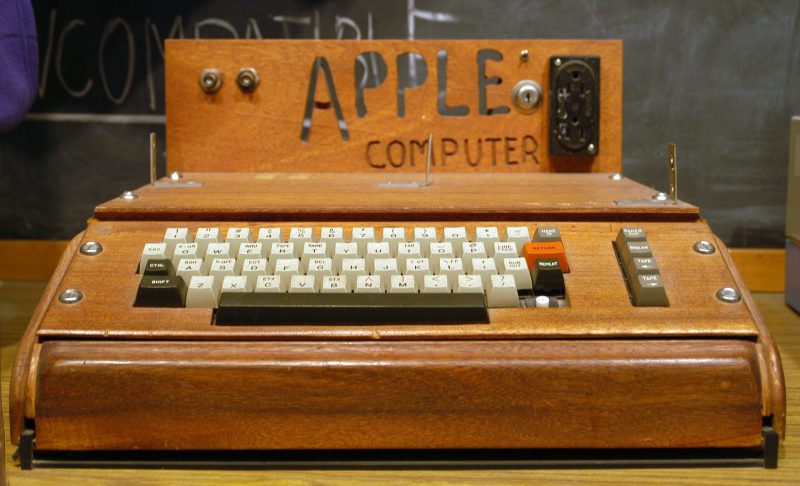
The First Personal Computer: Where It All Began
There is no single answer to the question of which machine was the first personal computer. The answer depends on what “personal computer” means: a computer designed for one person to use, a machine built with a microprocessor, or a product sold to individuals rather than businesses and institutions.
One machine is often given the title: the Kenbak-1, introduced in 1971. But the story of personal computing also includes early systems such as the Xerox Alto and the Altair 8800, each of which helped define what a personal computer could become.
The Kenbak-1: An Early Personal Computer
Designed by John Blankenbaker, the Kenbak-1 went on sale in 1971 for $750. It was built before microprocessors became common, using small-scale integrated circuits instead. The machine had just 256 bytes of memory and was programmed with switches on its front panel. Programs and results were displayed using lights rather than a screen.
The Kenbak-1 was intended for individuals and schools to learn about computing. It was compact compared with the large computers of the era, but it was not easy to use by modern standards: operating it required a basic understanding of machine code. Only around 50 were made, and production ended in 1973.
Because it was designed for personal use and sold as a complete computer, the Kenbak-1 is frequently described as the first personal computer. In 1986, the Boston Computer Museum recognized it as the first personal computer in a competition about the history of the field.
The Xerox Alto: A Vision of the Modern PC
In 1973, researchers at Xerox’s Palo Alto Research Center developed the Alto. It was not sold to the public, but it introduced ideas that would later become familiar in personal computing: a graphical display, windows, icons, a mouse, and networking. The Alto showed what an interactive computer for one person might look like, even though it remained an experimental system used mainly within research and educational settings.
The Altair 8800: A Computer for Hobbyists
The Altair 8800 arrived in 1975 and helped spark the personal-computer revolution. Sold as a kit, it was built around the Intel 8080 microprocessor. Owners entered programs using switches and read output from lights, so using the Altair still required technical skill. However, it was more affordable and accessible to electronics hobbyists than the large computers that had come before it.
The Altair also inspired a growing community of users and developers. In 1975, Paul Allen and Bill Gates created a version of the BASIC programming language for the machine, an early step in the story of Microsoft. Other companies soon began producing hardware and software for the emerging microcomputer market.
So, Which Computer Was First?
The Kenbak-1 is commonly called the first personal computer because it was an early, complete machine designed for individual use. The Xerox Alto was a groundbreaking personal-computing prototype, while the Altair 8800 helped bring microcomputers into the hands of hobbyists and launch a wider market.
Rather than a single moment of invention, the personal computer emerged through a series of experiments and innovations. These early machines helped move computing out of specialized laboratories and institutions and toward the desks and homes of individuals. Their influence can still be seen in the computers people use today.
6 Key Benefits of the First Personal Computer
- Made computing more personal.
- Inspired future computer designs.
- Encouraged hands-on learning.
- Introduced computing to individuals.
- Helped spark the PC revolution.
- Preserved an important tech legacy.
Key Limitations of the First Personal Computer
- Very limited memory and processing power.
- Difficult to program without technical knowledge.
- No screen or keyboard for convenient use.
Made computing more personal.
The first personal computers made computing more personal by giving individuals direct access to a machine they could use, learn from, and control themselves. Instead of relying on large computers operated by institutions or specialists, people could experiment with programs and explore what computers could do at their own pace. This shift helped make computing feel more approachable and relevant to everyday life.
Inspired future computer designs.
The first personal computers inspired future computer designs by showing that computing could be brought within reach of individuals, not just large institutions. Their compact, self-contained systems encouraged later designers to make computers smaller, more affordable, and easier to use. As the technology developed, these early machines helped pave the way for familiar features such as keyboards, displays, personal software, and interactive controls—ideas that shaped the home and office computers that followed.
Encouraged hands-on learning.
The first personal computers encouraged hands-on learning by inviting users to explore how computers worked instead of treating them as mysterious machines. With systems such as the Kenbak-1 and Altair 8800, people could enter instructions, test programs, and see the results directly. This trial-and-error approach helped students and hobbyists build practical skills in programming, electronics, and problem-solving, laying the foundation for a growing community of computer enthusiasts.
Introduced computing to individuals.
One of the first personal computers’ most important contributions was introducing computing to individuals. Before these machines appeared, computers were generally large, expensive systems operated by businesses, universities, or government organizations. Early personal computers made it possible for hobbyists, students, and curious newcomers to interact with computing directly, learn programming, and explore what computers could do. This shift helped lay the foundation for the personal-computer revolution.
Helped spark the PC revolution.
The first personal computers helped spark the PC revolution by showing that computing could move beyond large institutions and become something individuals could own and explore. Early machines such as the Altair 8800 inspired hobbyists to build, program, and share ideas, creating a growing community that encouraged new hardware and software. This momentum helped launch a personal-computer industry that would soon bring computing into homes, schools, and businesses.
Preserved an important tech legacy.
The first personal computers preserved an important technology legacy by showing that computing could be brought within reach of individuals, not just large companies and research institutions. Their pioneering designs inspired generations of engineers, programmers, and hobbyists, helping shape the personal computers and digital tools used today. By documenting and celebrating these early machines, we keep their innovations—and the people behind them—part of our shared history.
Very limited memory and processing power.
One major drawback of the first personal computers was their extremely limited memory and processing power. With only a small amount of memory and modest processors, these machines could handle simple programs but struggled with complex calculations, large files, or multiple tasks. Users often had to write compact code, work within strict limits, and wait longer for results, making early computers far less capable than today’s devices.
Difficult to program without technical knowledge.
Early personal computers were difficult to program without technical knowledge. Many required users to enter instructions in machine code or use switches and buttons on the computer’s front panel, rather than type commands in a familiar language. As a result, getting these machines to perform even simple tasks could be challenging for beginners and often required patience, careful study, and an understanding of how computers worked.
No screen or keyboard for convenient use.
One major drawback of the first personal computers was that they often lacked a screen and keyboard, making them far less convenient to use than modern computers. Instead, users entered instructions with switches on the front panel and read results from rows of lights. This process was slow and required technical knowledge, so even simple tasks could be difficult for beginners.