
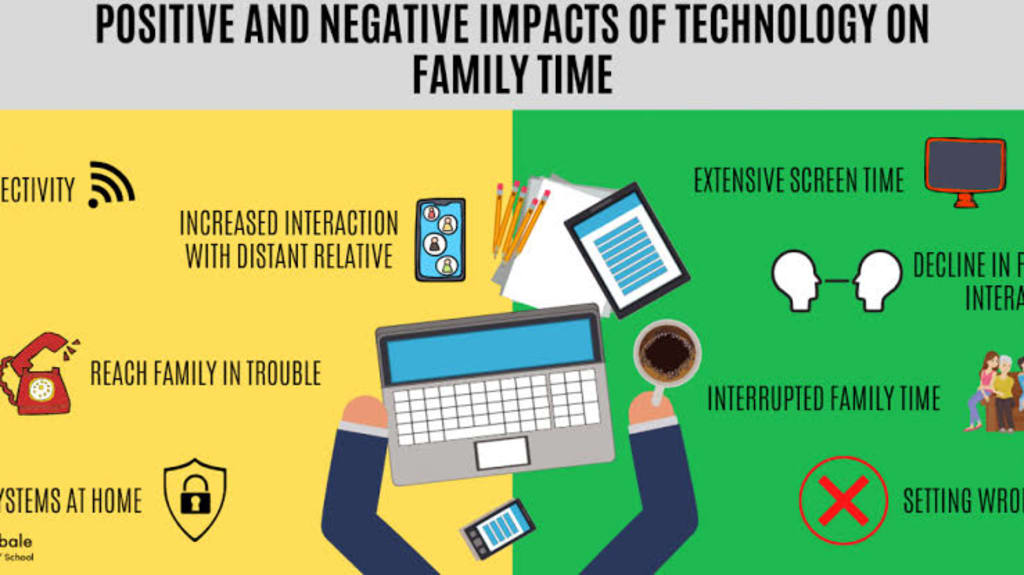
The Harmful Impacts of Technology
Technology has transformed how people work, learn, communicate, and solve problems. Smartphones, social media, artificial intelligence, and connected devices can make everyday tasks faster and bring people together across long distances. But these tools also carry risks. When technology is designed or used without enough attention to people and communities, it can contribute to health problems, social strain, privacy violations, environmental damage, and economic disruption.
Effects on Physical and Mental Health
Long hours in front of screens can encourage sedentary habits and contribute to eye strain, headaches, and discomfort in the neck, back, and wrists. Using bright screens late at night may also interfere with sleep for some people, especially when it delays bedtime or keeps the mind engaged.
Digital life can affect mental well-being, too. Social media may expose users to harassment, upsetting content, or constant comparisons with carefully curated images of other people’s lives. Notifications and an endless stream of updates can make it harder to focus or relax. These experiences do not affect everyone in the same way, but they can be especially challenging for young people and anyone already dealing with stress or isolation.
Distraction and Reduced Attention
Many digital services are designed to keep people engaged. Alerts, autoplay, and frequently refreshed feeds can interrupt work, school, conversations, and rest. Switching repeatedly between tasks may make it more difficult to concentrate deeply, even when each interruption seems brief.
Technology itself is not the only cause: habits, workplace expectations, and product design all matter. Still, when constant availability becomes the norm, people may feel pressure to respond immediately and struggle to set boundaries between work and personal time.
Privacy and Security Risks
Apps, websites, and connected devices can collect information about people’s locations, interests, purchases, and routines. Some data collection supports useful features, but unclear policies and broad sharing can leave users with little understanding of how their information is used. Data breaches can expose sensitive details, while tracking and profiling may influence what people see, the prices they are offered, or the decisions made about them.
Cyberattacks, scams, identity theft, and unauthorized access are other risks. As more essential services move online, people who lack reliable devices, secure accounts, or the skills to recognize fraud may face greater exposure.
Social and Community Costs
Online communication can help people stay connected, but it may also replace some in-person interaction or intensify conflict. False or misleading information can spread quickly, and recommendation systems may direct users toward increasingly extreme or emotionally charged material. Online abuse can silence people and make digital spaces feel unsafe.
Technology can also deepen existing inequalities. People without affordable internet, accessible devices, or digital skills may have a harder time applying for jobs, accessing services, or participating in education. Automated systems can reproduce unfair outcomes when they rely on biased data or are deployed without careful testing and oversight.
Environmental Impact
Manufacturing phones, computers, and other electronics requires energy and raw materials. Mining and production can harm ecosystems and expose workers and nearby communities to dangerous conditions. Data centers and networks also use electricity, while discarded electronics can create hazardous waste when they are not properly reused or recycled.
Frequent device upgrades can make the problem worse. Products that are difficult or expensive to repair may be replaced even when they still work, increasing demand for new materials and adding to electronic waste.
Disruption to Work and Livelihoods
Automation and artificial intelligence can improve productivity, but they can also change or eliminate some jobs. The effects are uneven: some workers may gain new opportunities, while others may face reduced hours, displacement, or pressure to learn new skills quickly. Monitoring software and algorithmic management can also limit workers’ control over their schedules and how their performance is judged.
These changes are not inevitable in one particular form. Decisions by employers, governments, and technology companies influence who benefits, who bears the costs, and what support is available during transitions.
Reducing the Harm
Technology’s risks can be reduced through thoughtful choices by individuals, organizations, and policymakers. People can review privacy settings, use strong and unique passwords, take regular breaks from screens, and set boundaries around notifications and after-hours work. Choosing repairable devices and keeping electronics in use longer can help reduce waste.
Companies can design products with privacy, accessibility, and user well-being in mind rather than focusing only on engagement. Schools and workplaces can teach digital literacy and set realistic expectations for availability. Governments can support consumer protections, responsible data practices, safe working conditions, and equitable access to technology.
Conclusion
Technology is neither inherently harmful nor automatically beneficial. Its impact depends on how it is designed, who controls it, and how it is used. Recognizing the risks makes it possible to address them without overlooking the real advantages technology can provide. The goal is not to reject technology, but to shape it so that it serves people, communities, and the environment more responsibly.
Harmful Effects of Technology: 8 Frequently Asked Questions
- What are the most common harmful impacts of technology on health?
- How does excessive screen time affect mental health?
- Can technology use disrupt sleep?
- How does social media negatively affect people?
- What privacy and security risks come with using technology?
- How can technology contribute to social isolation?
- What are the environmental impacts of electronic devices?
- How can people reduce the harmful effects of technology?
What are the most common harmful impacts of technology on health?
The most common harmful impacts of technology on health can include eye strain, headaches, neck and back pain, and disrupted sleep, particularly when people spend long periods using screens or use devices late at night. Heavy or constant use may also encourage inactivity, interfere with concentration, and contribute to stress or anxiety. Social media can sometimes affect self-esteem or well-being through cyberbullying and comparison with others. These effects vary from person to person and depend on factors such as screen time, posture, sleep habits, and the type of technology used.
How does excessive screen time affect mental health?
Excessive screen time can affect mental health by disrupting sleep, reducing time for physical activity and face-to-face connection, and making it harder to focus or unwind. Heavy use of social media may also expose people to cyberbullying, distressing content, or pressure to compare themselves with others, which can contribute to stress, low mood, or anxiety. The effects vary from person to person and depend on factors such as age, the type of screen activity, and what it replaces. Setting regular breaks, protecting sleep time, and choosing offline activities can help support a healthier balance.
Can technology use disrupt sleep?
Yes. Technology use can disrupt sleep, especially when you use phones, computers, or tablets close to bedtime. Screen light may make it harder for some people to feel sleepy, while messages, videos, and social media can keep the mind engaged and delay bedtime. To support better rest, try turning off screens 30 to 60 minutes before bed, silencing notifications, and keeping devices out of reach while you sleep.
How does social media negatively affect people?
Social media can negatively affect people by encouraging constant comparison with others, disrupting sleep, and making it harder to focus. Heavy use may contribute to stress, loneliness, or lower self-esteem, while cyberbullying and exposure to upsetting or misleading content can further harm well-being. These effects vary from person to person, but setting time limits, curating feeds, and taking breaks can help people use social media more intentionally.
What privacy and security risks come with using technology?
Using technology can expose personal information such as your location, browsing habits, contacts, and financial details to apps, websites, and connected devices. If data is collected or shared without clear consent, it may be used for targeted advertising, profiling, or other purposes users did not expect. Data breaches, phishing scams, malware, and weak passwords can also lead to identity theft, account takeovers, or financial loss. To reduce these risks, review privacy settings, limit the information you share, use strong unique passwords with multifactor authentication, and keep devices and software updated.
How can technology contribute to social isolation?
Technology can contribute to social isolation when online interactions replace meaningful face-to-face time or make people feel connected without providing deeper support. Heavy social media use may encourage comparison, distraction, or passive scrolling, while constant notifications can interrupt conversations and shared activities. Digital communication can also expose people to cyberbullying or exclusion, leading them to withdraw. However, technology can help people maintain relationships across distances, so its effect often depends on how it is used and whether it complements in-person connection rather than replacing it.
What are the environmental impacts of electronic devices?
Electronic devices can harm the environment throughout their life cycle. Mining the metals and other raw materials they contain can damage habitats and consume significant amounts of energy and water, while manufacturing and shipping devices generate greenhouse gas emissions. Their use also requires electricity, particularly for data-intensive devices and services. When electronics are replaced or discarded, they can add to growing e-waste; if not handled safely, batteries and other components may release hazardous substances into soil and water. Extending a device’s life through repair, reuse, and responsible recycling can help reduce these impacts.
How can people reduce the harmful effects of technology?
People can reduce the harmful effects of technology by using devices intentionally and setting clear limits, such as taking regular screen breaks, turning off nonessential notifications, and keeping screens away from bedtime. Protecting personal information with strong, unique passwords and reviewing privacy settings can lower security risks. Choosing repairable devices, keeping electronics longer, and recycling them responsibly can reduce environmental harm. It also helps to verify information before sharing it and to make time for offline activities and in-person connections. Companies, schools, and governments share responsibility by promoting safer design, digital literacy, privacy protections, and equitable access.